Mangrove loss threatens Sierra Leone's oyster harvesters
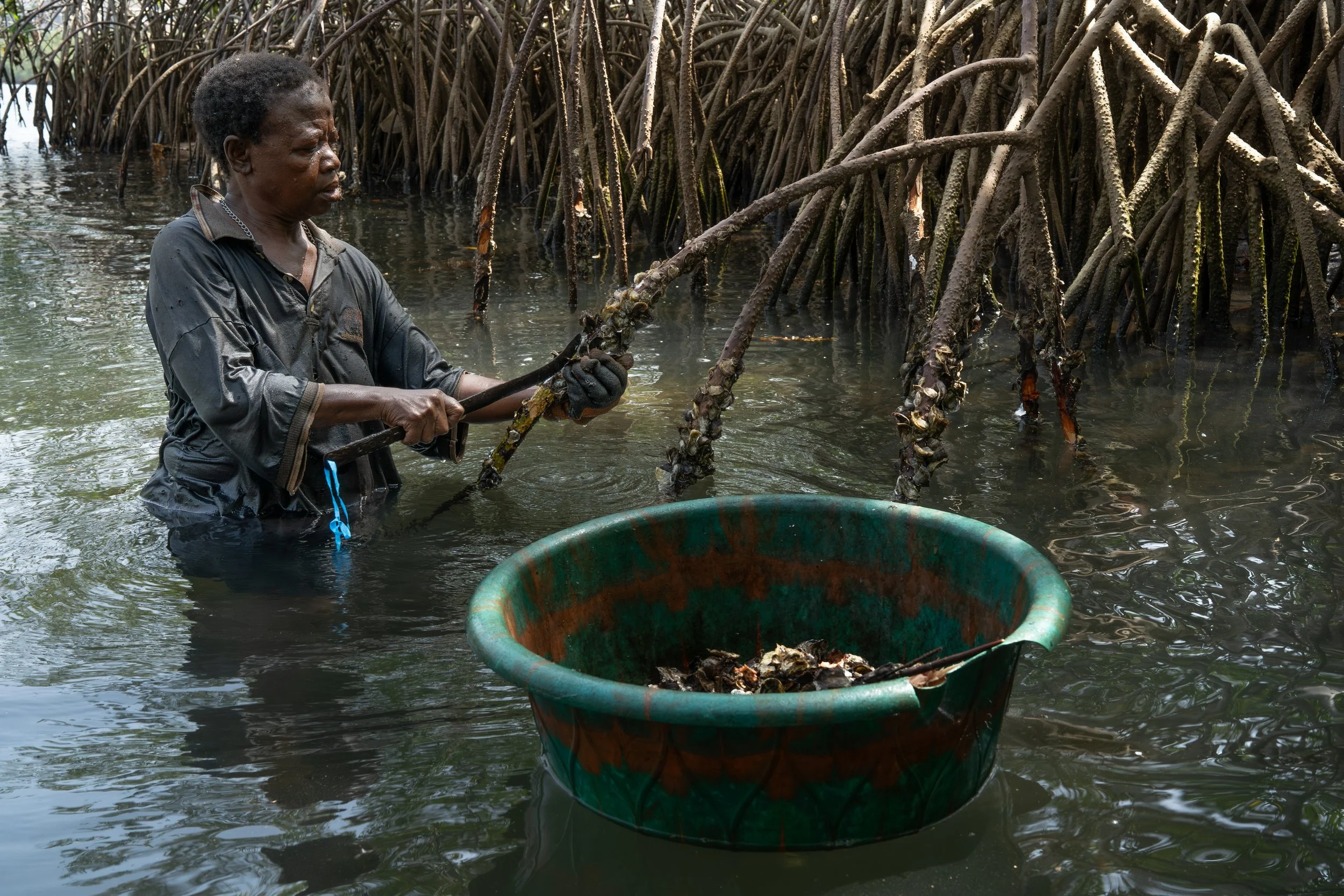
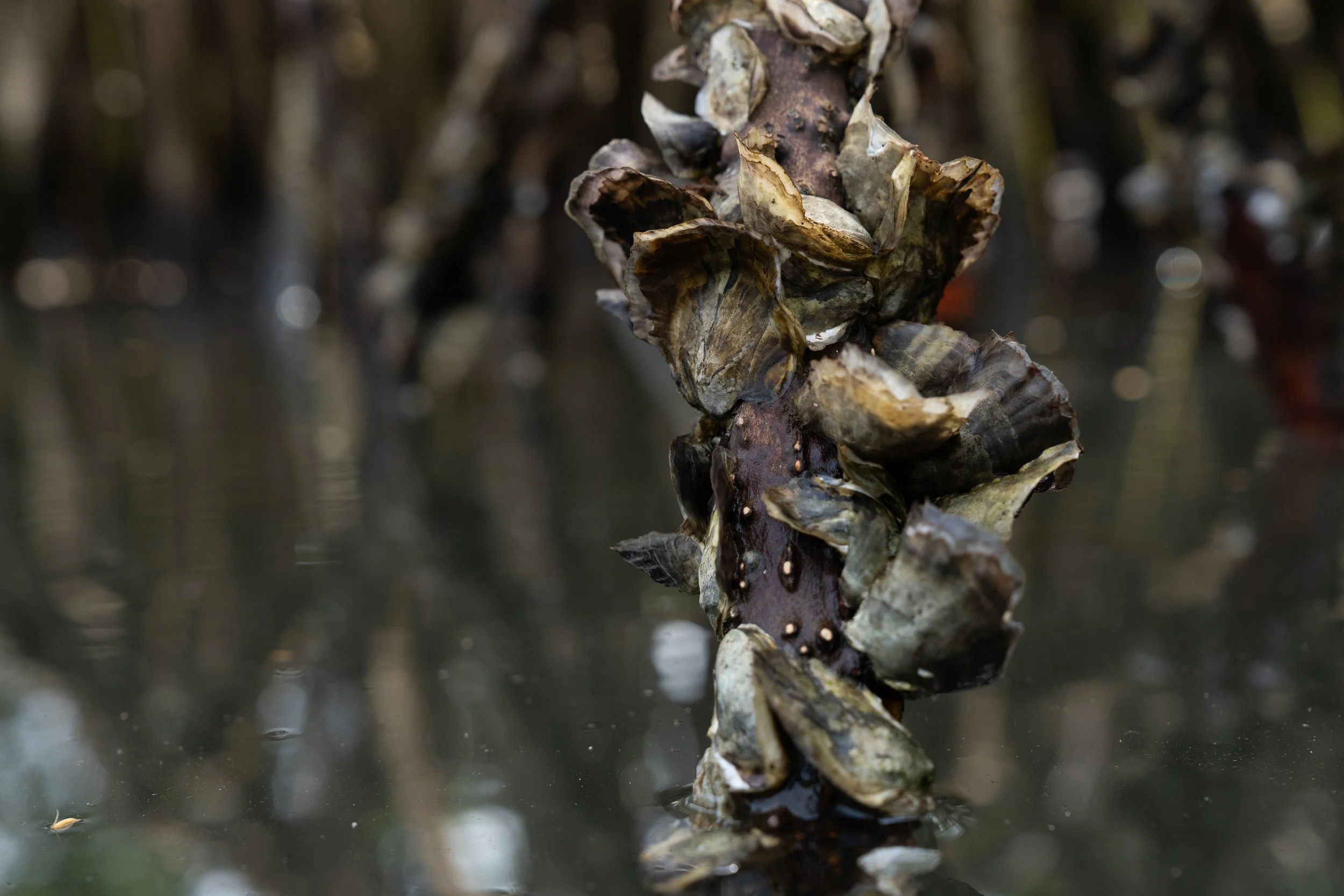
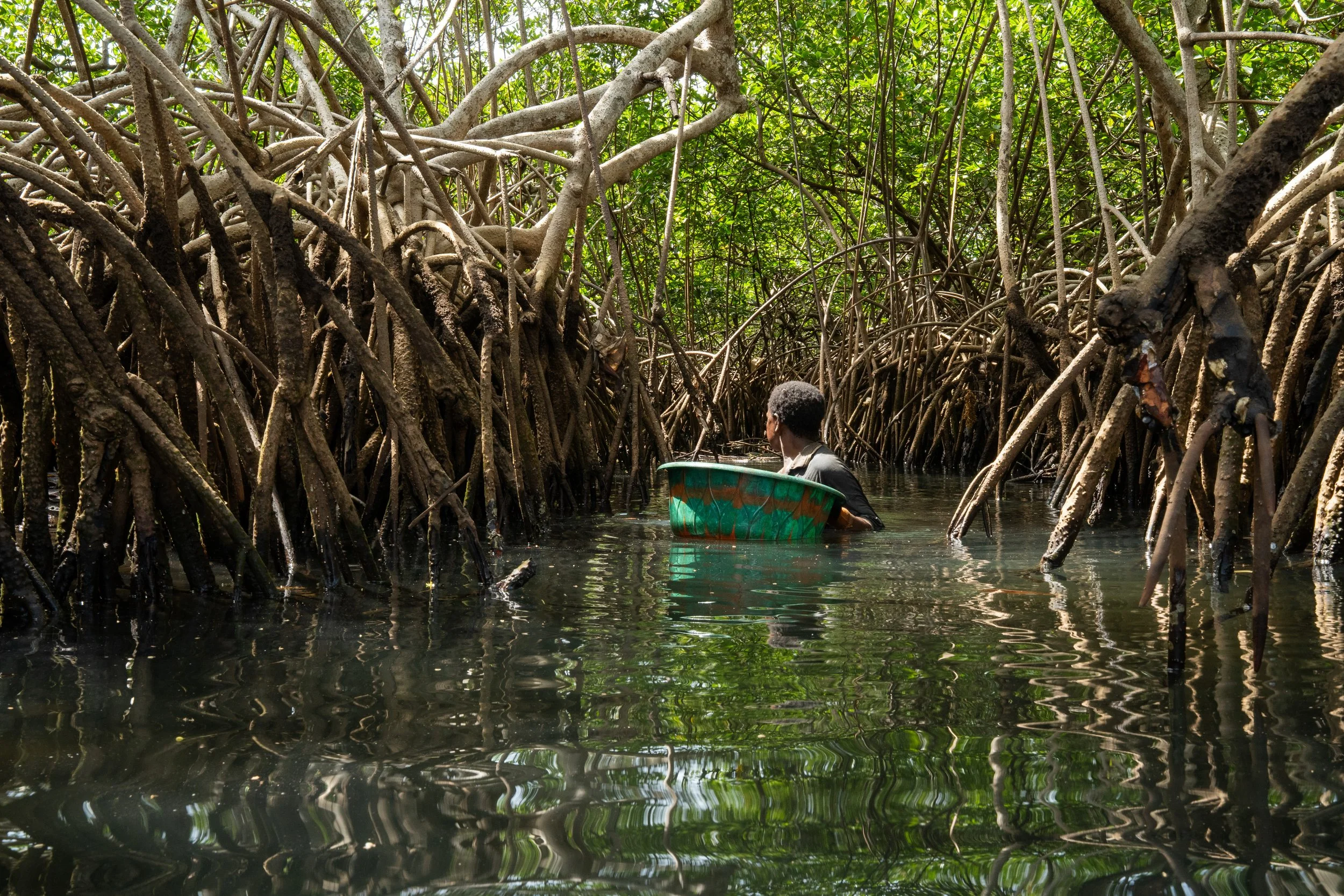
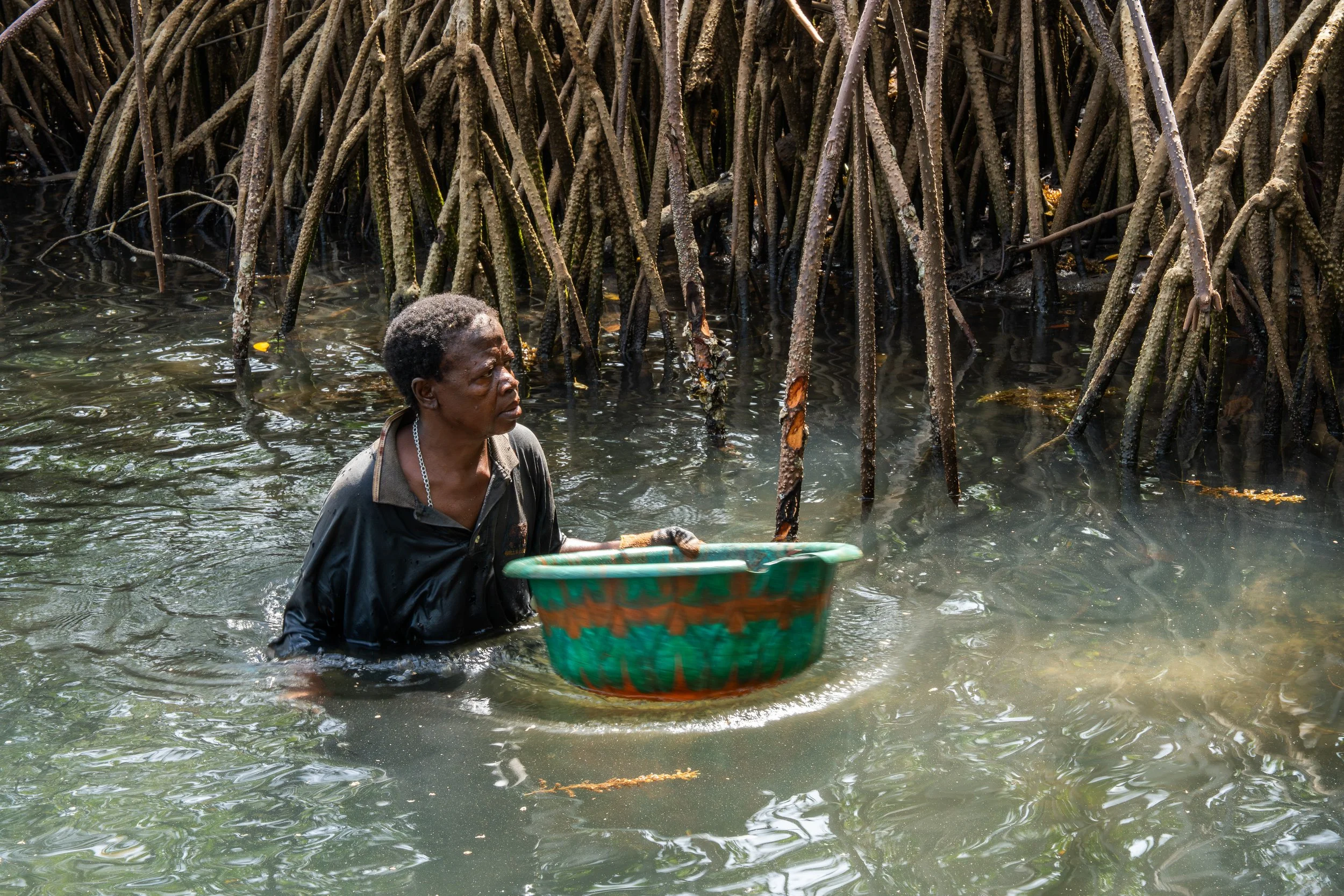
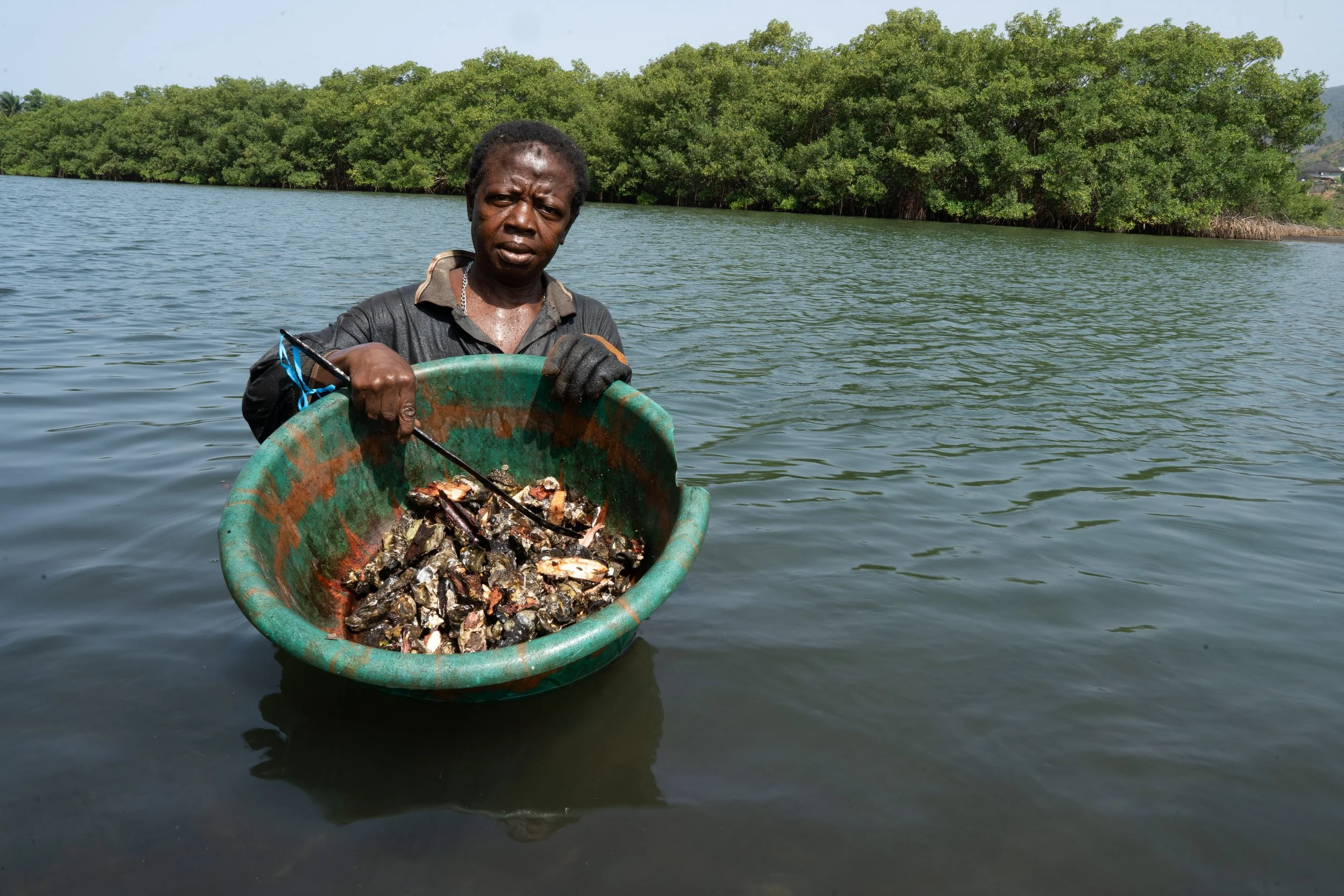
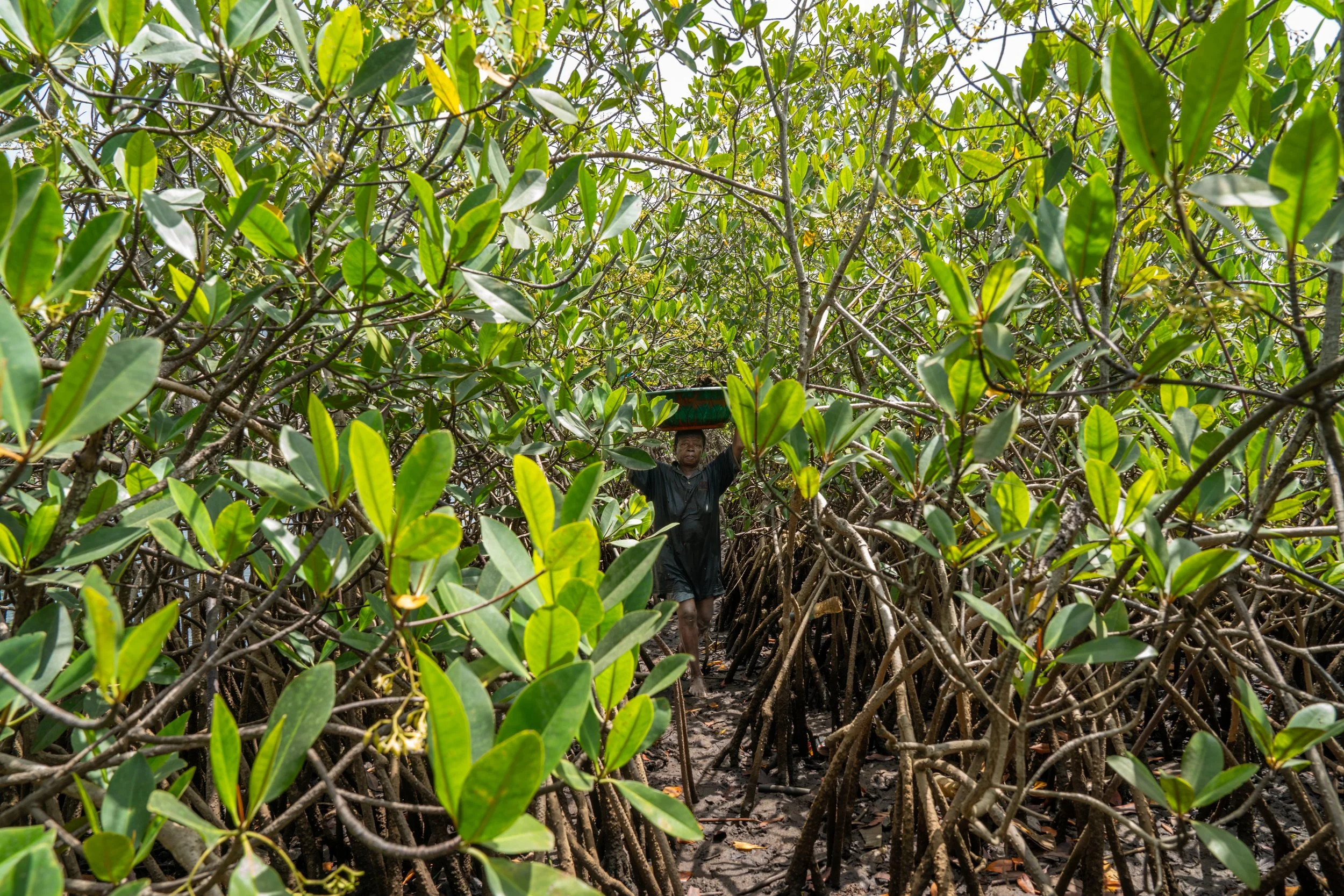
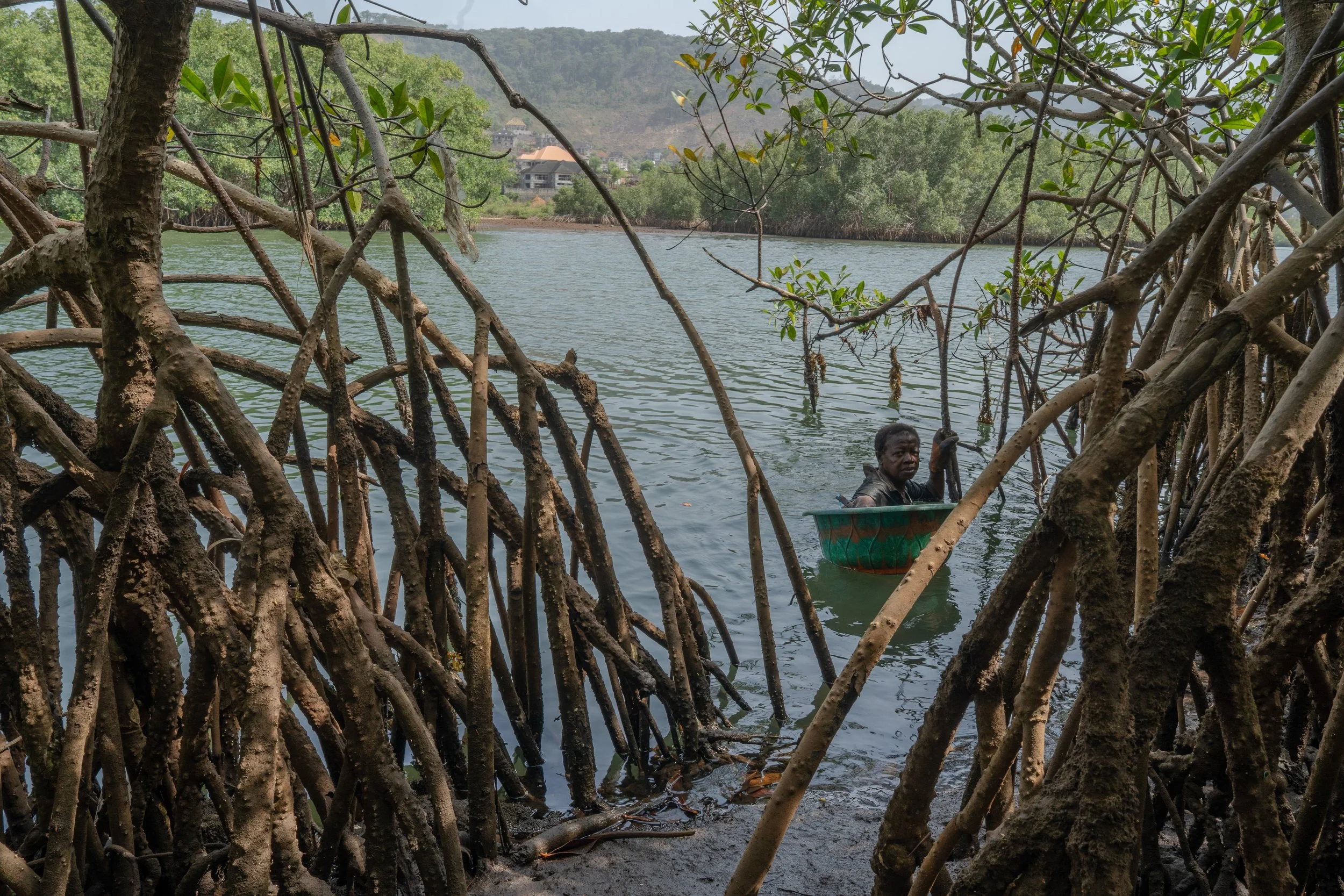
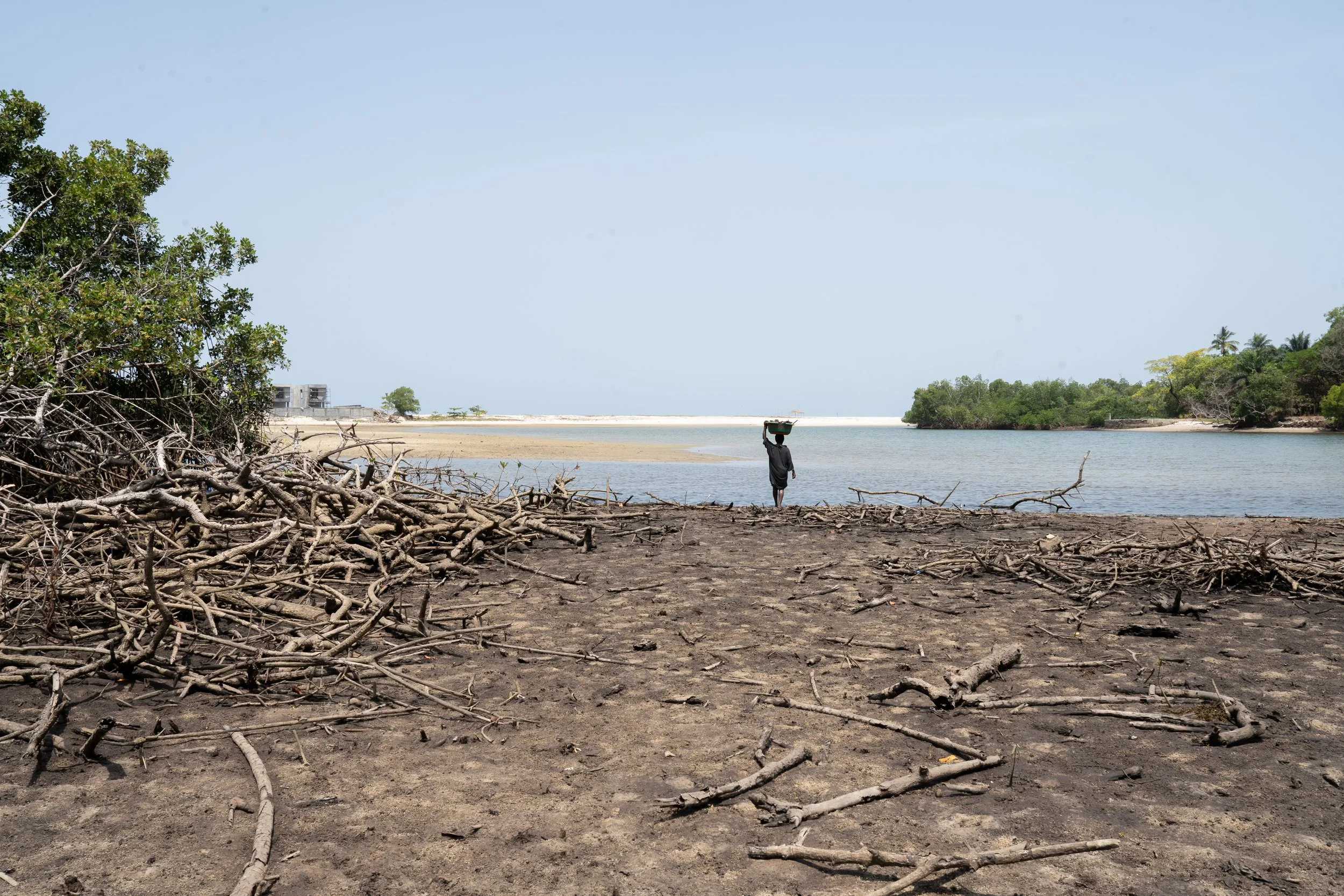
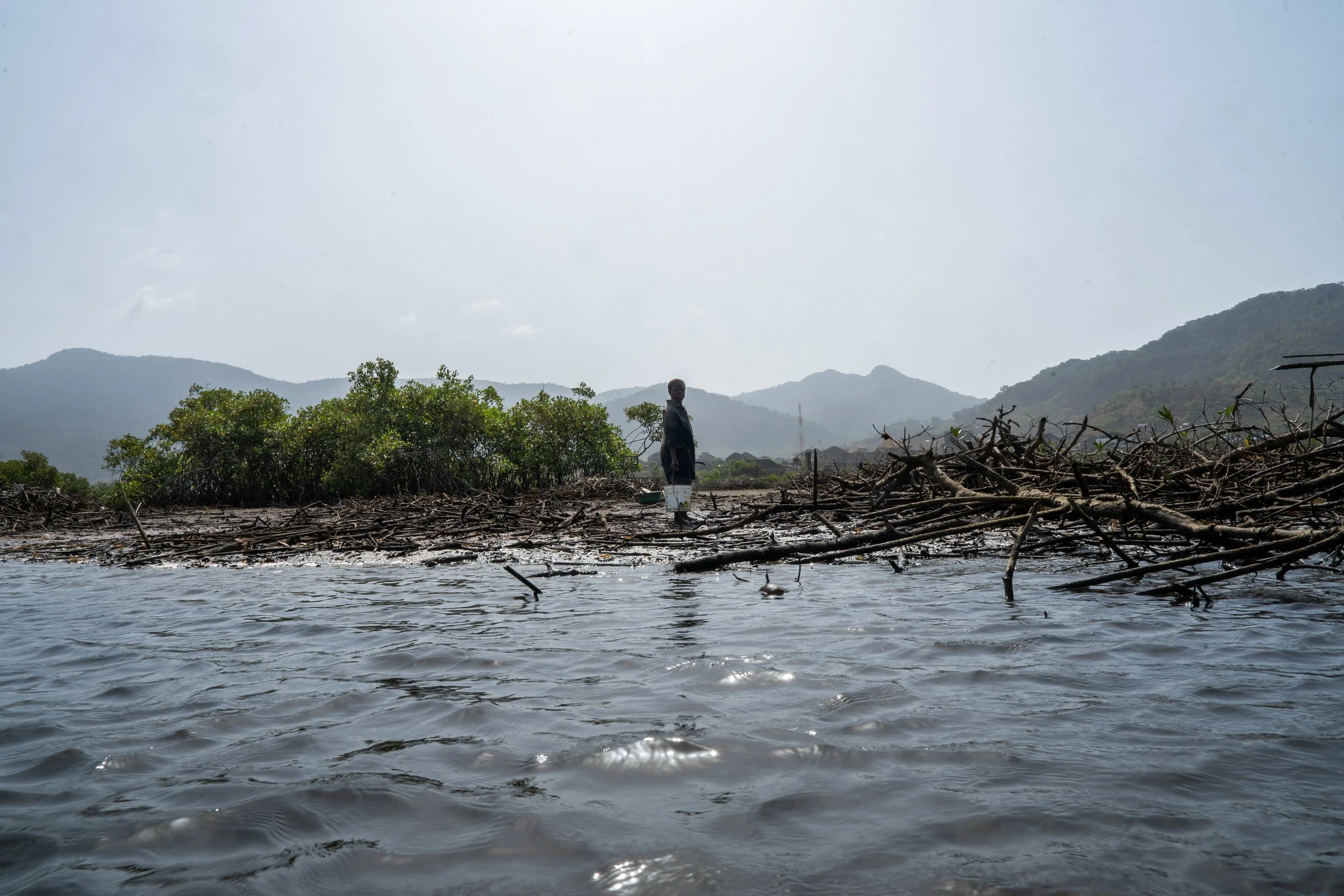
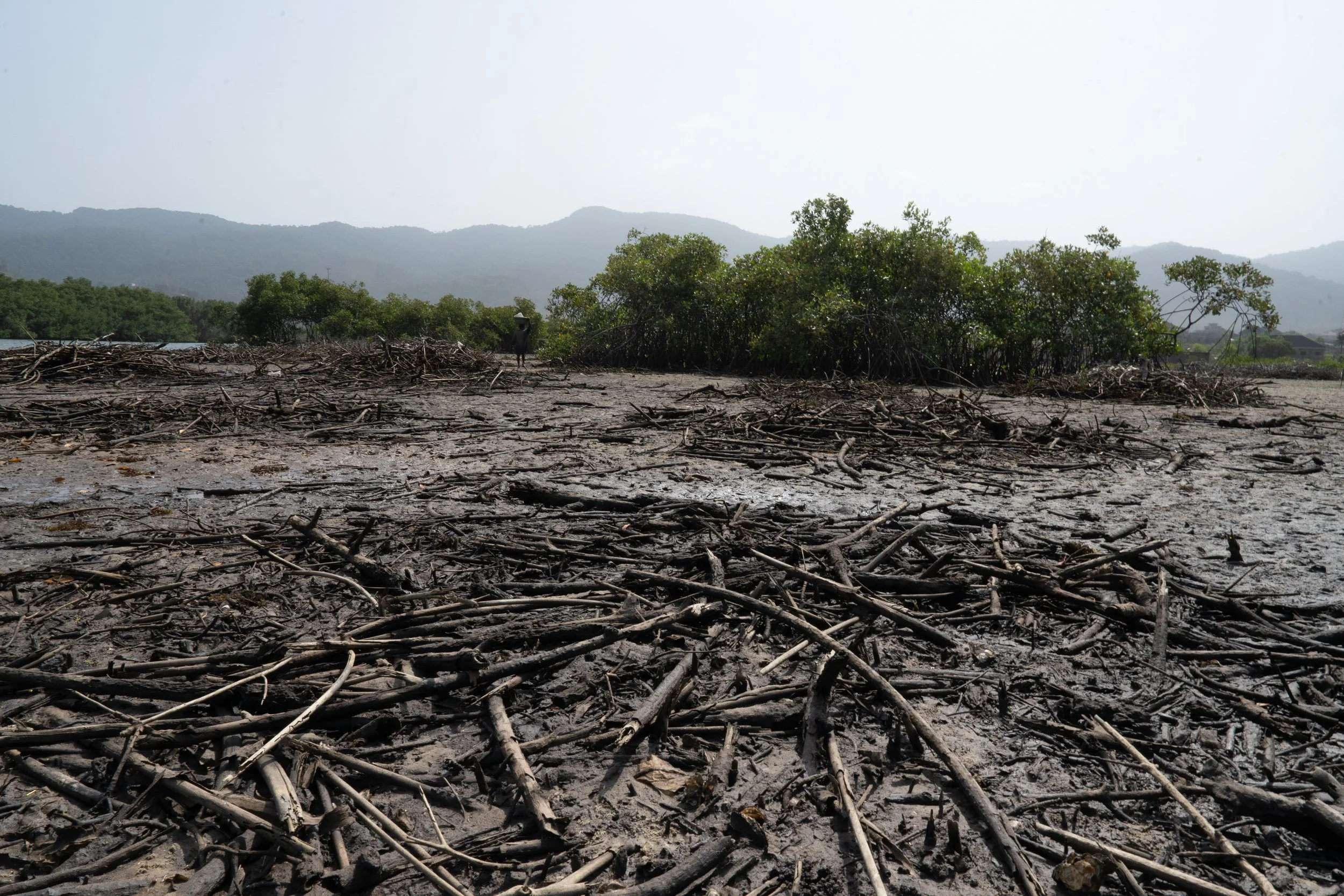
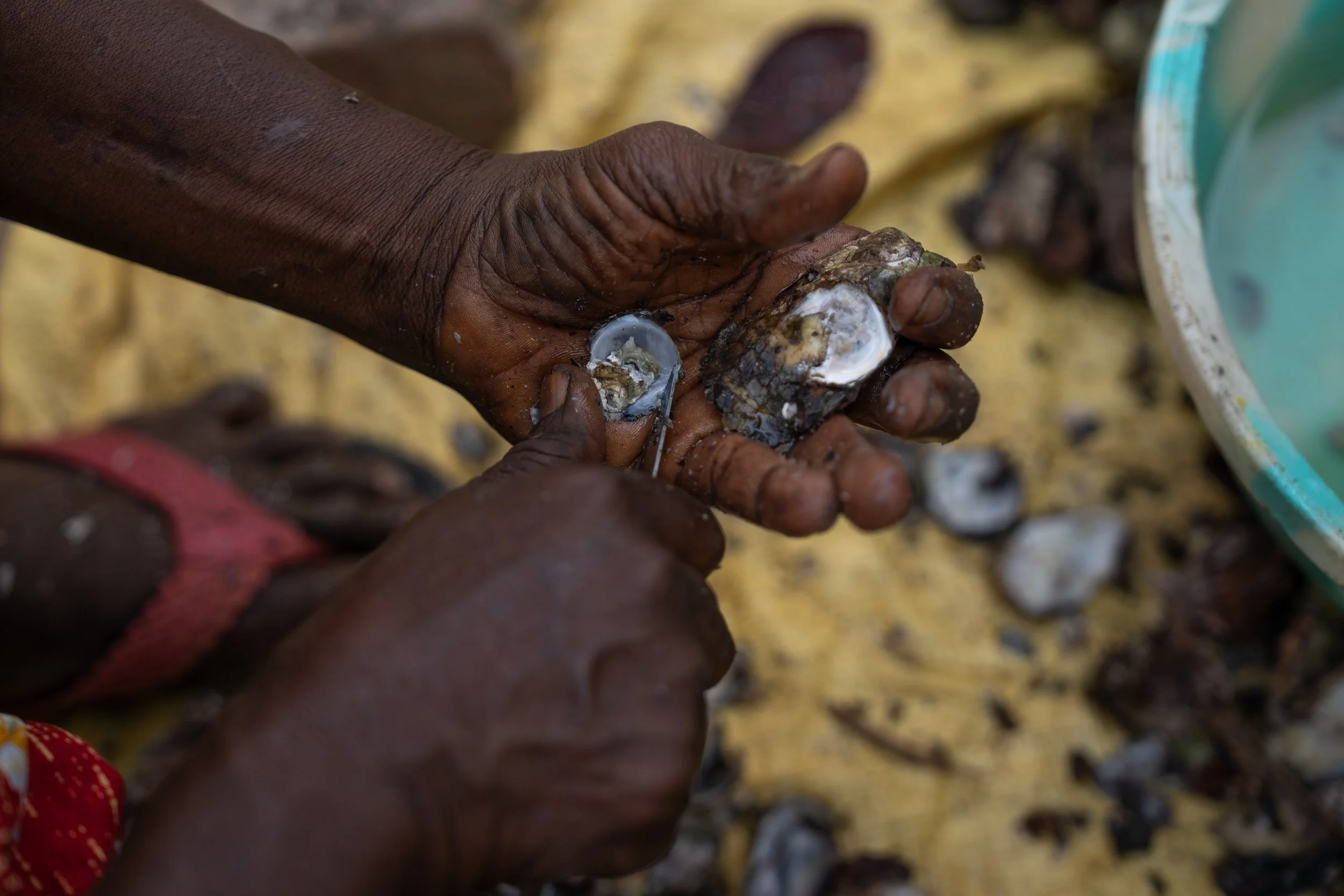
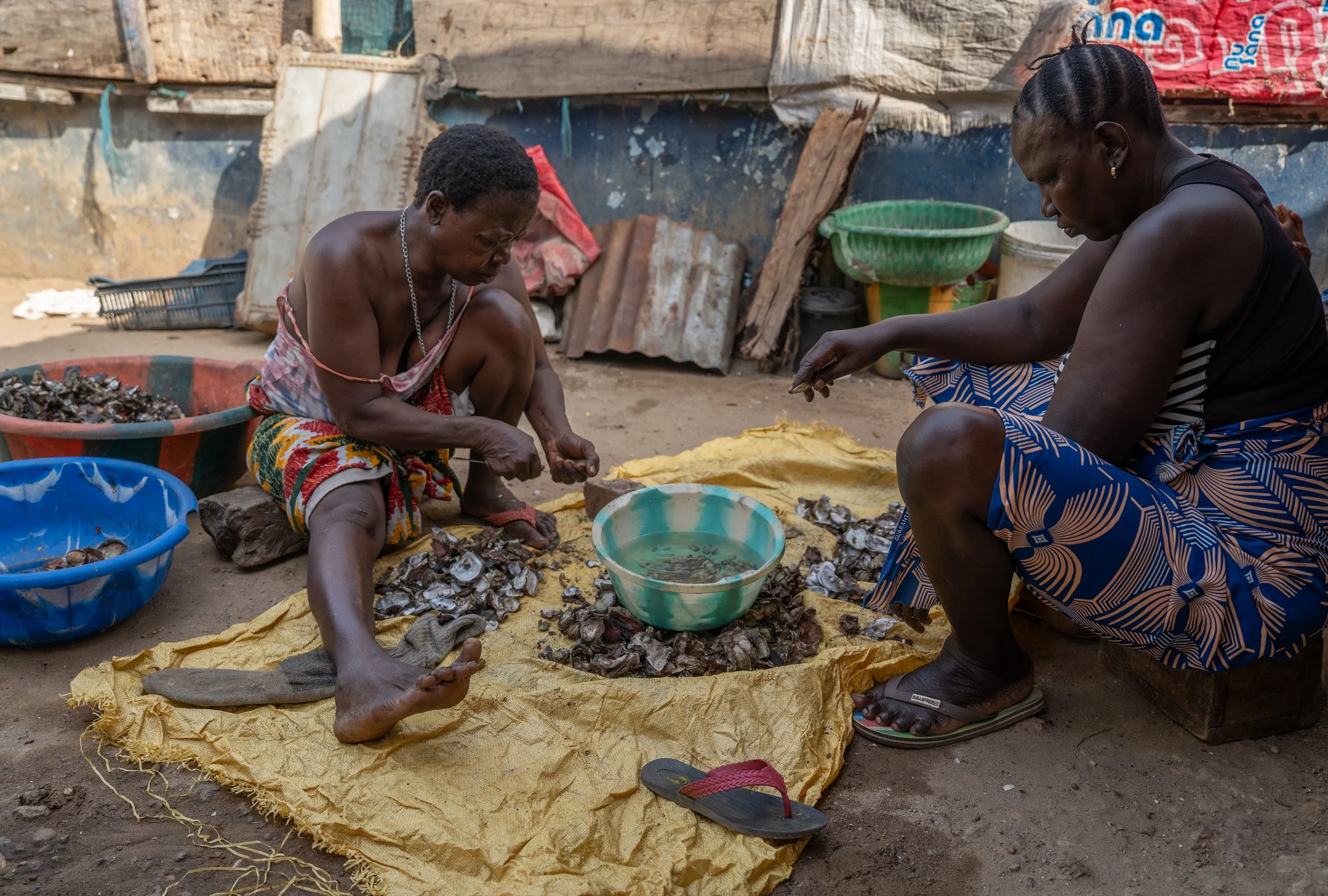
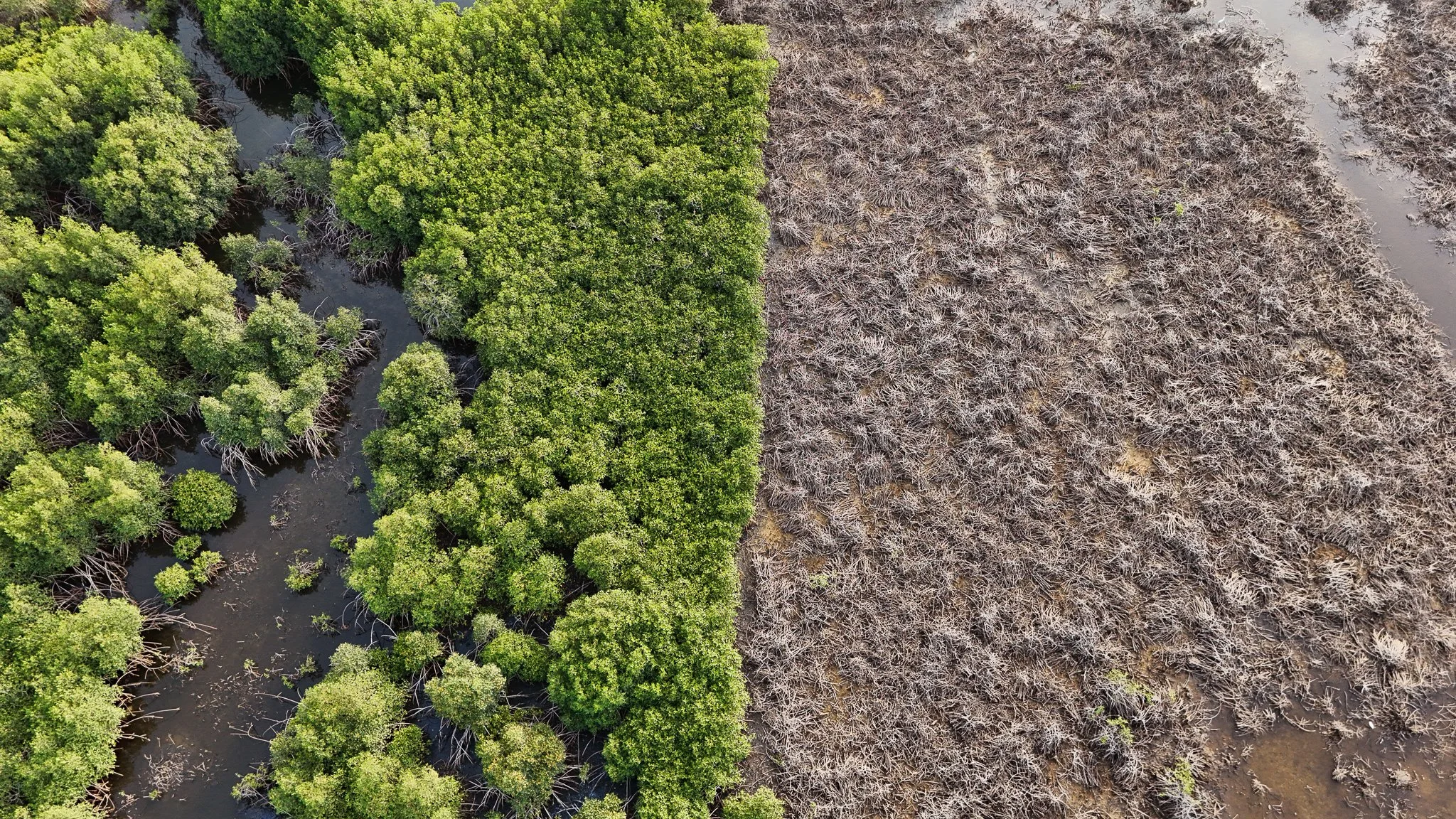
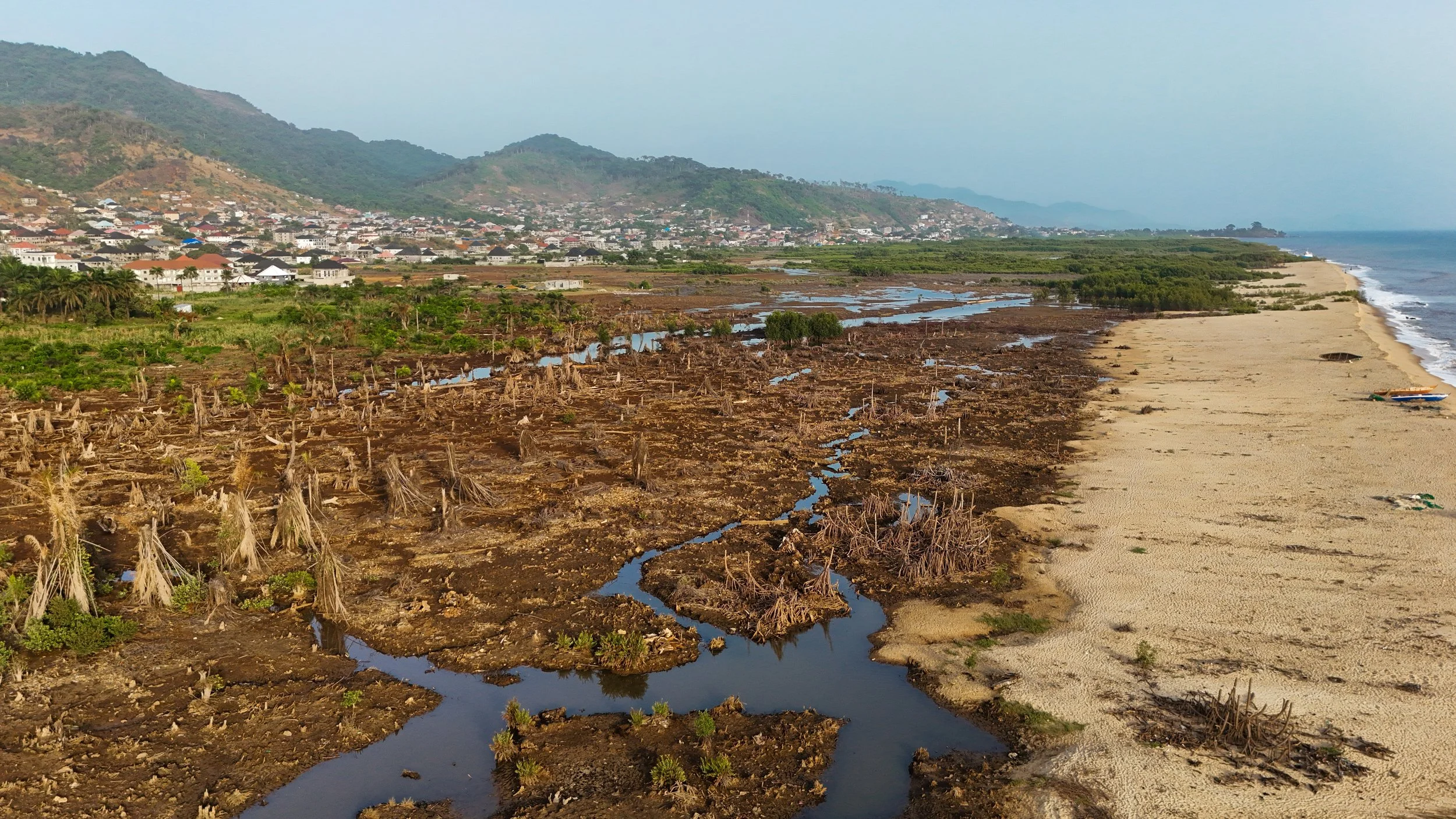
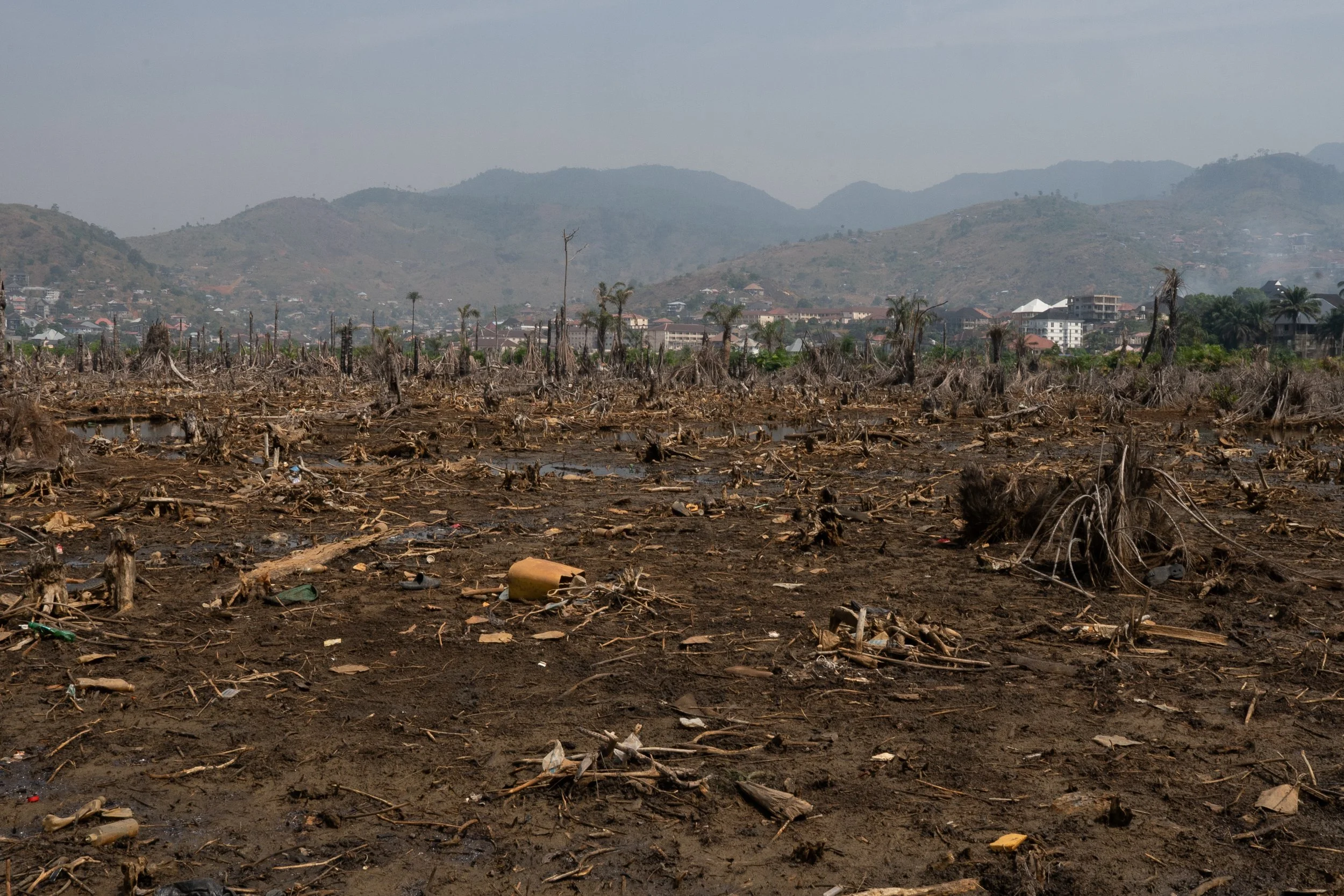
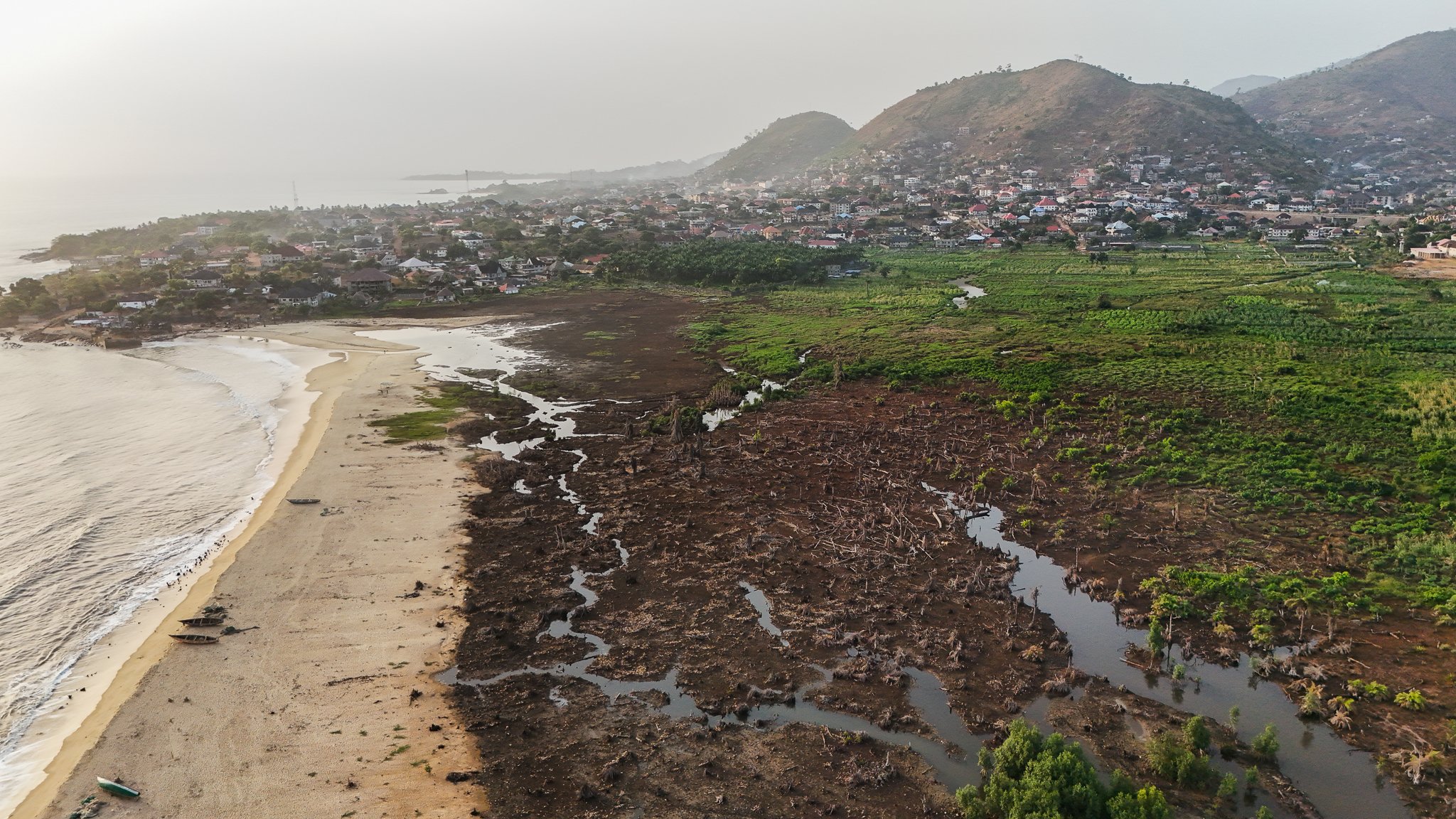
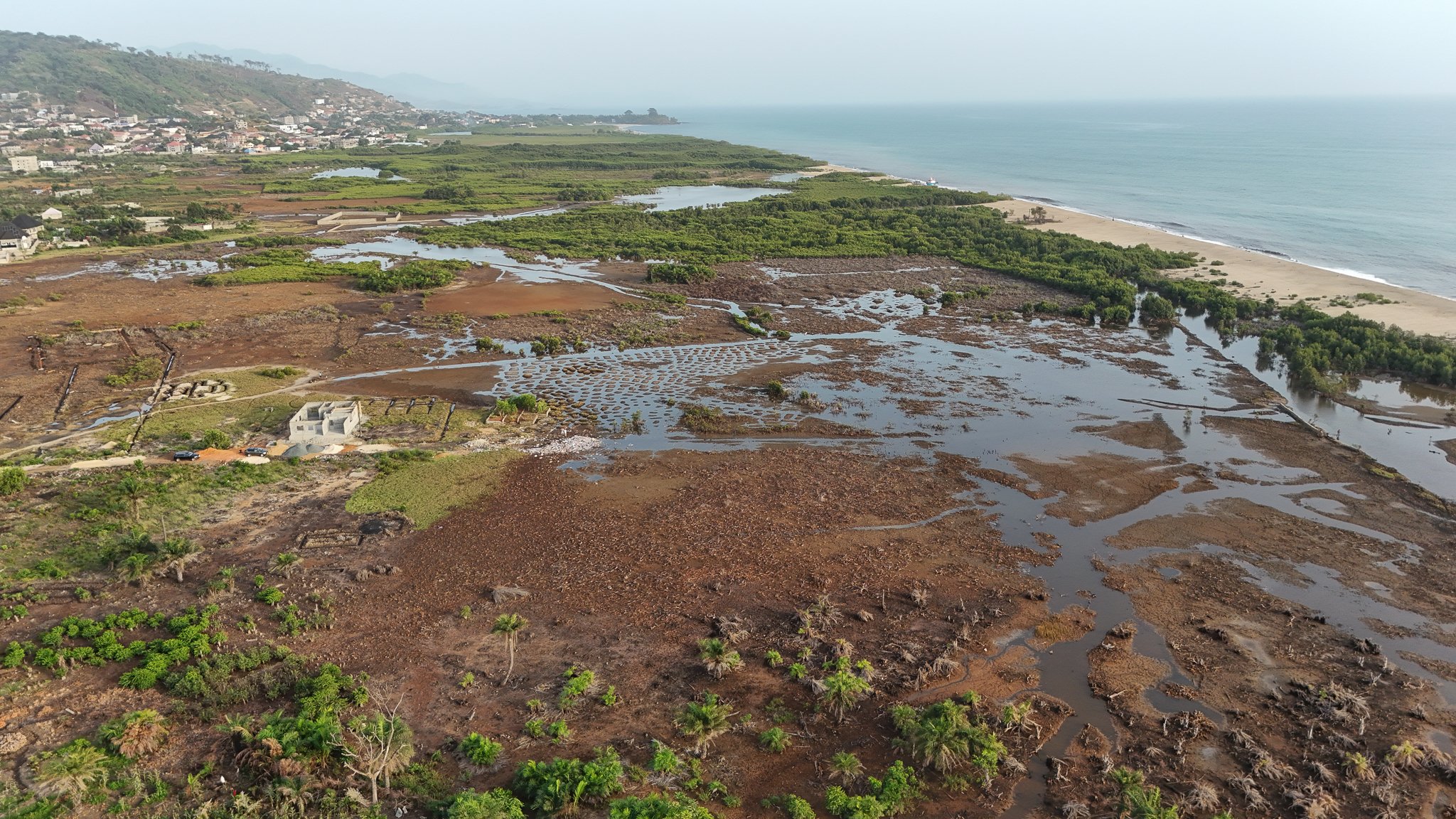
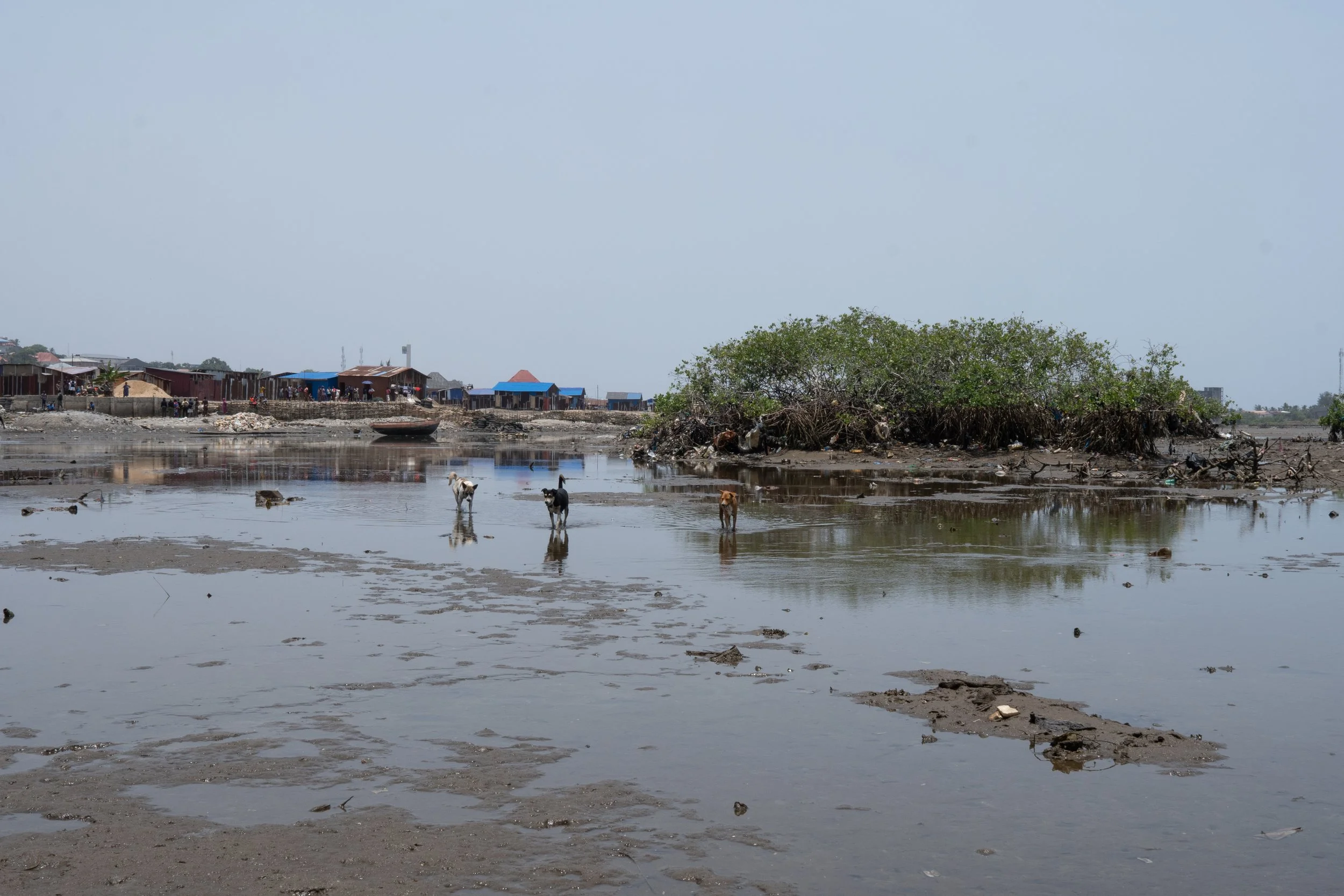
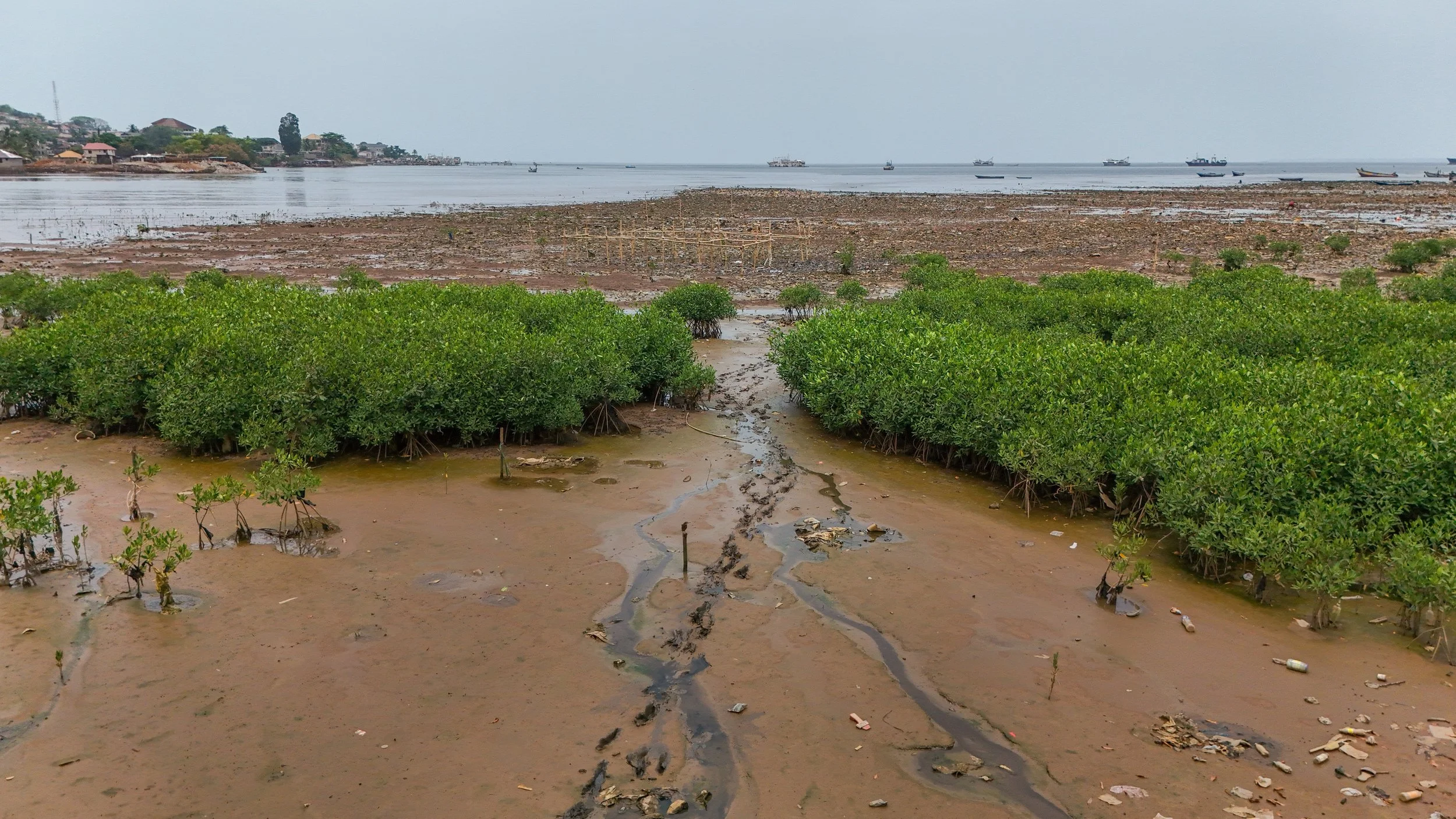
Along Freetown’s peninsula, mangrove loss is accelerating — from active deforestation at Number Two River, where oyster farmer Milicent Turay says harvesting oysters has become more work than it used to be, to the stark contrast between still-healthy mangroves at Sussex Beach (now threatened by sand mining and land clearing) and the largely cleared shores of neighboring Hamilton Beach, where land development has taken hold.
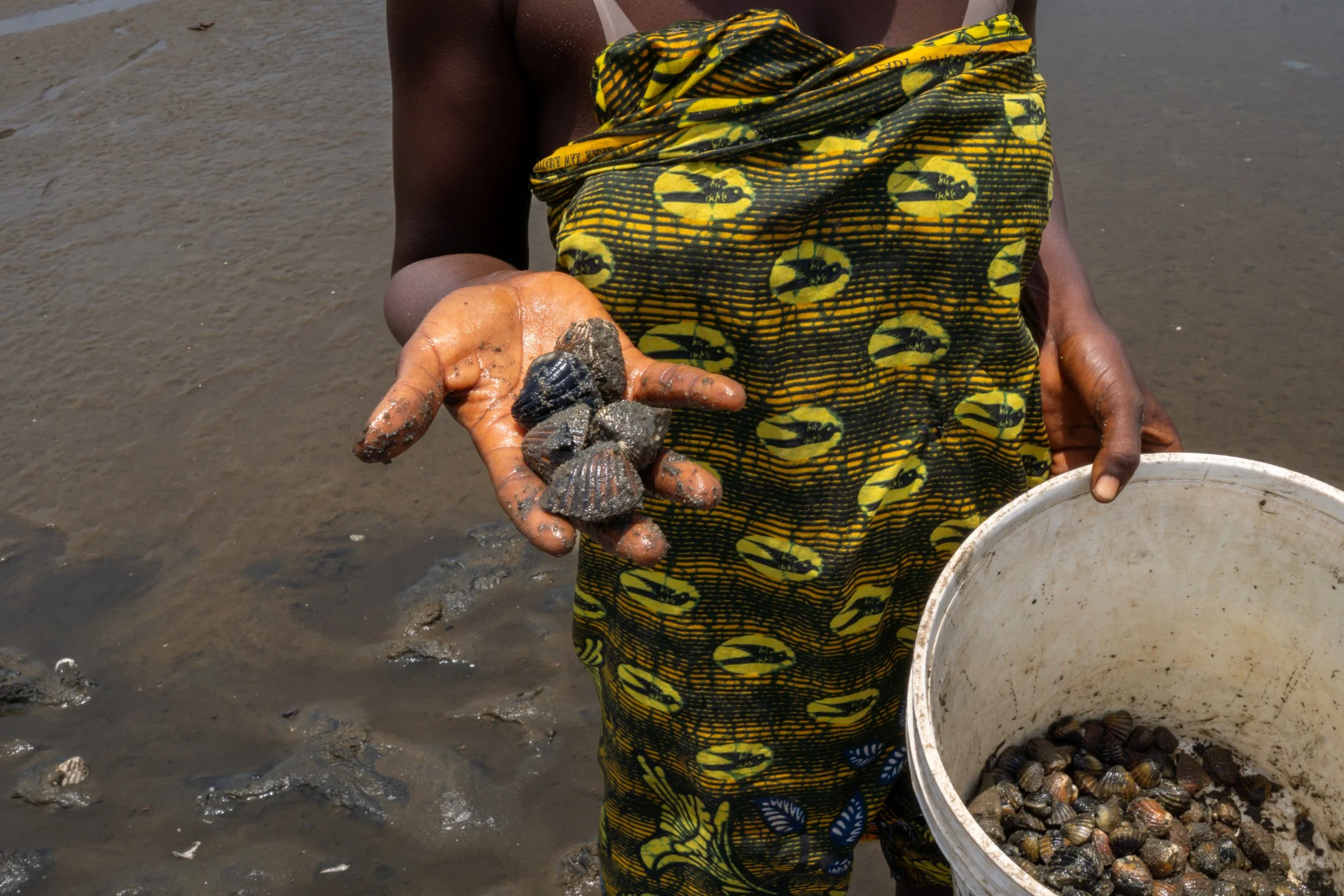
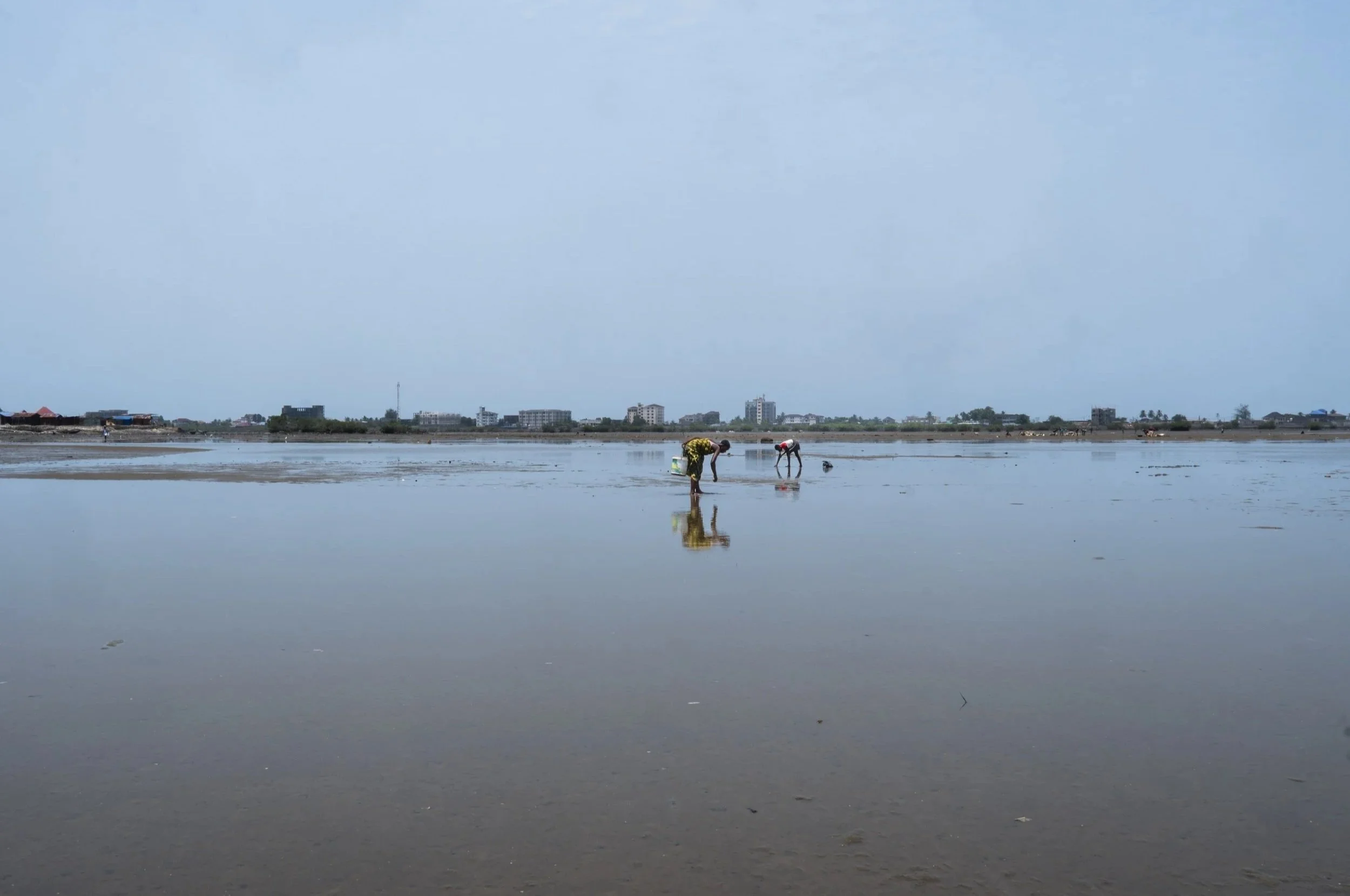
Near Aberdeen Creek at Cockle Bay, only a small mangrove patch remains; no oysters are left, though community members now rely on cockle farming instead, noting that the cockles are smaller than they used to be.
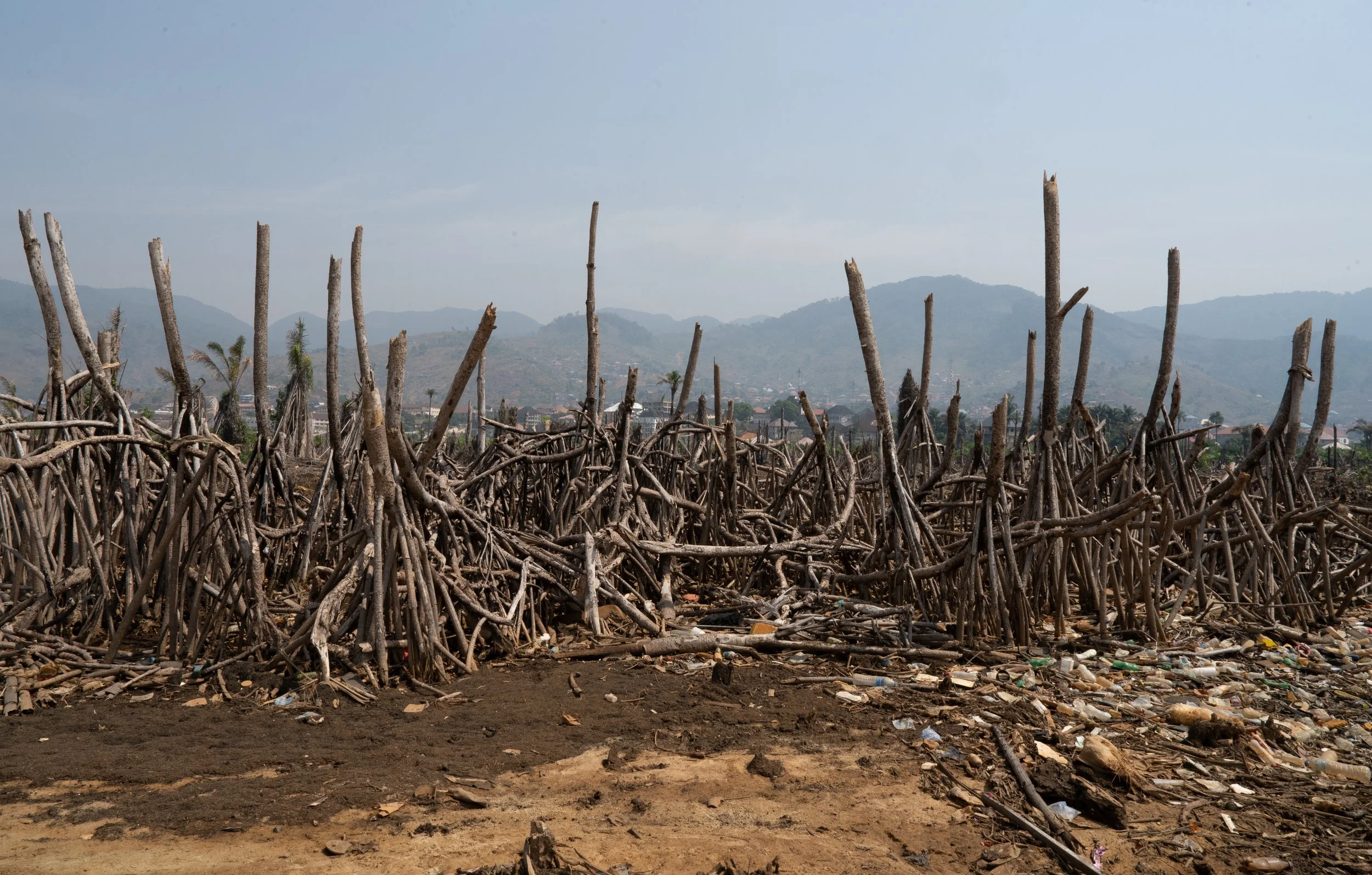
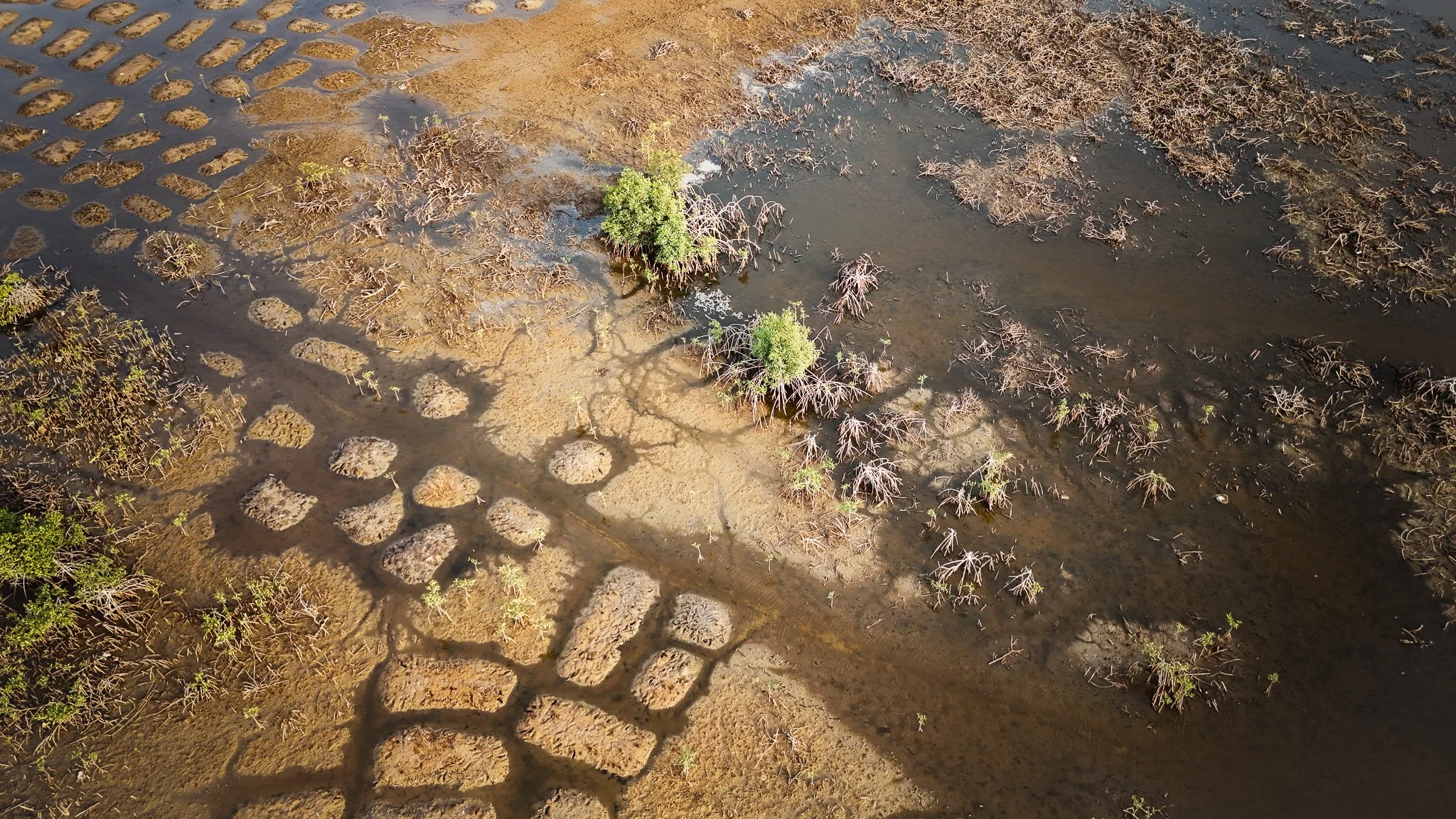
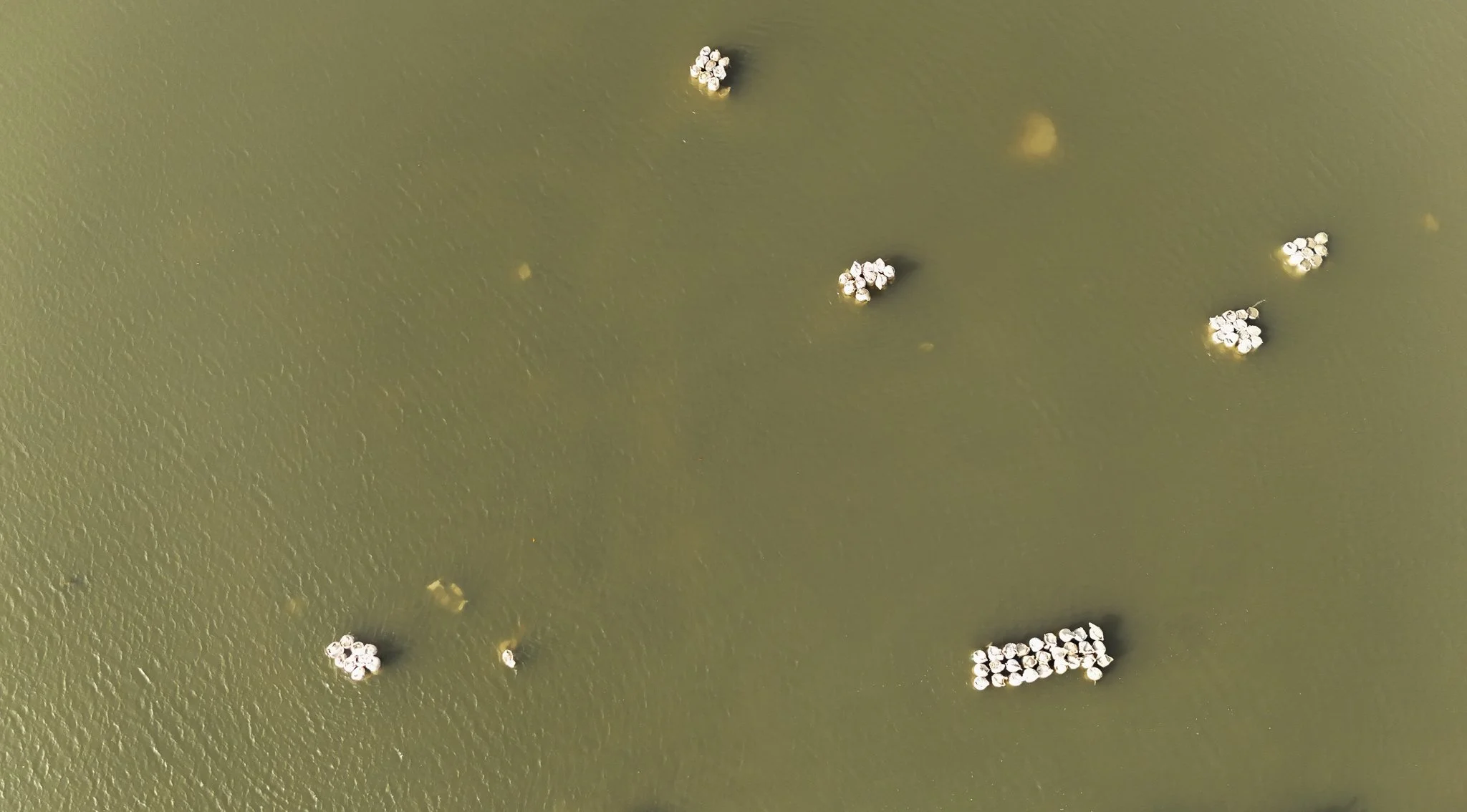
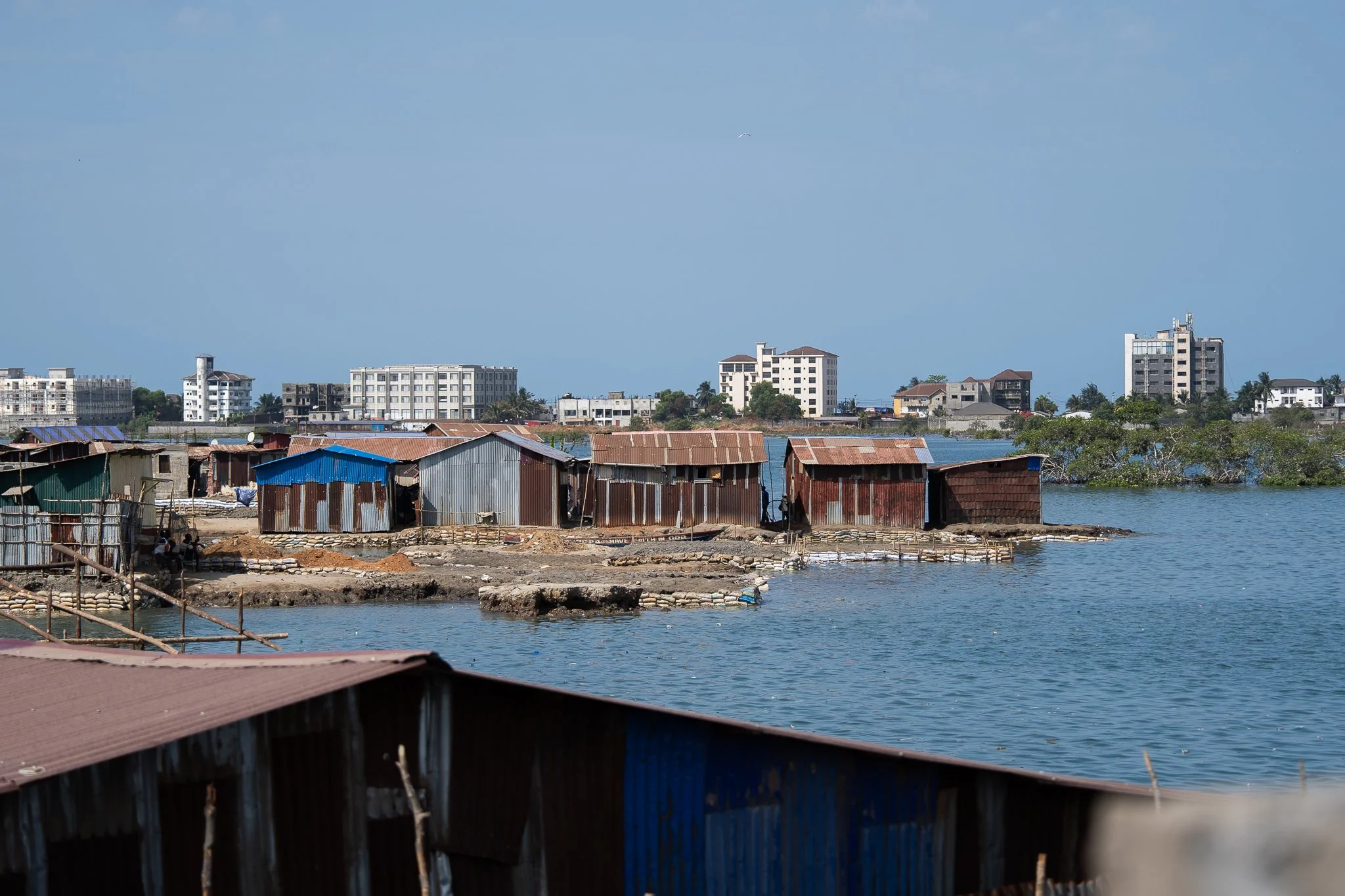
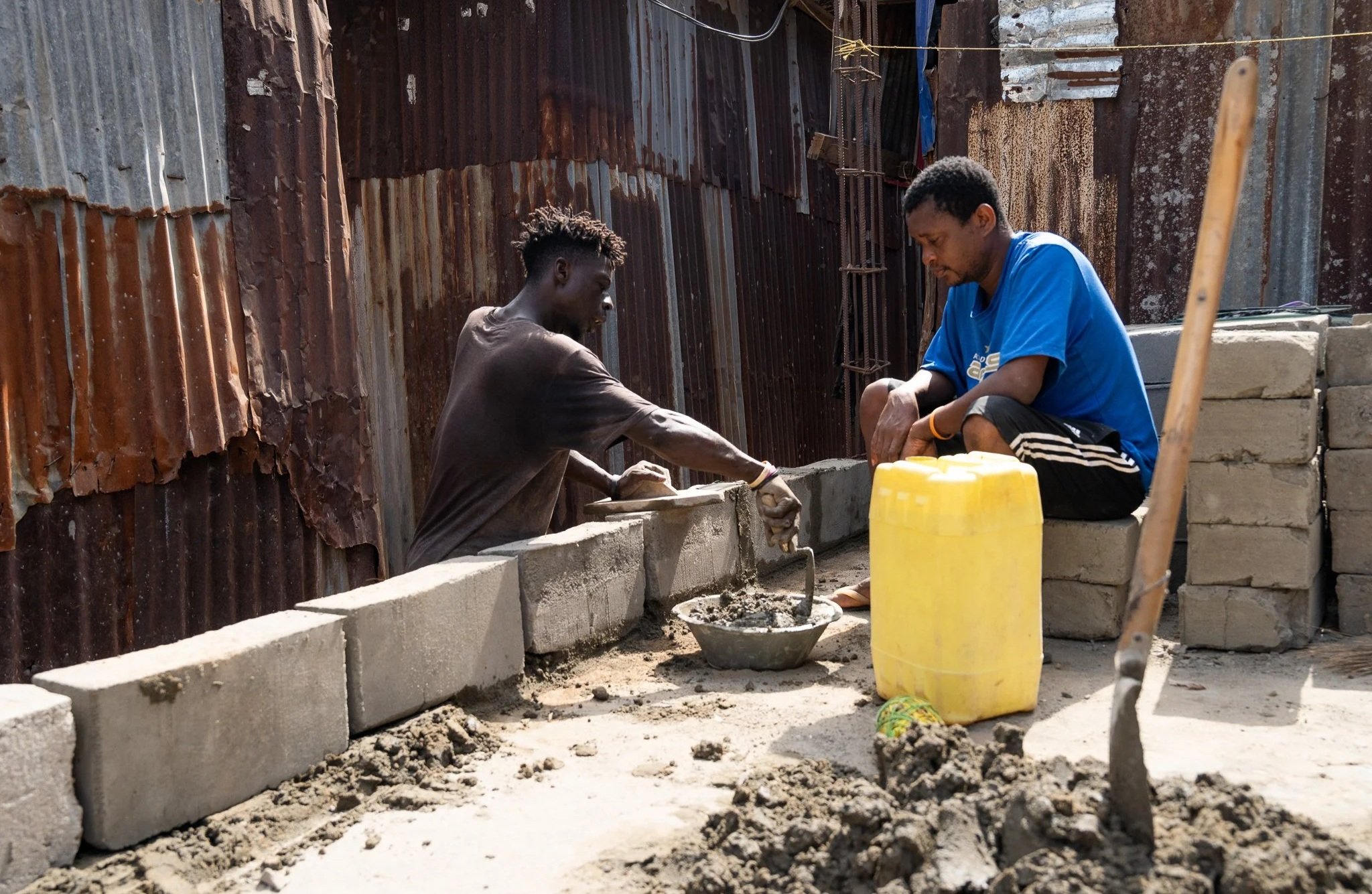
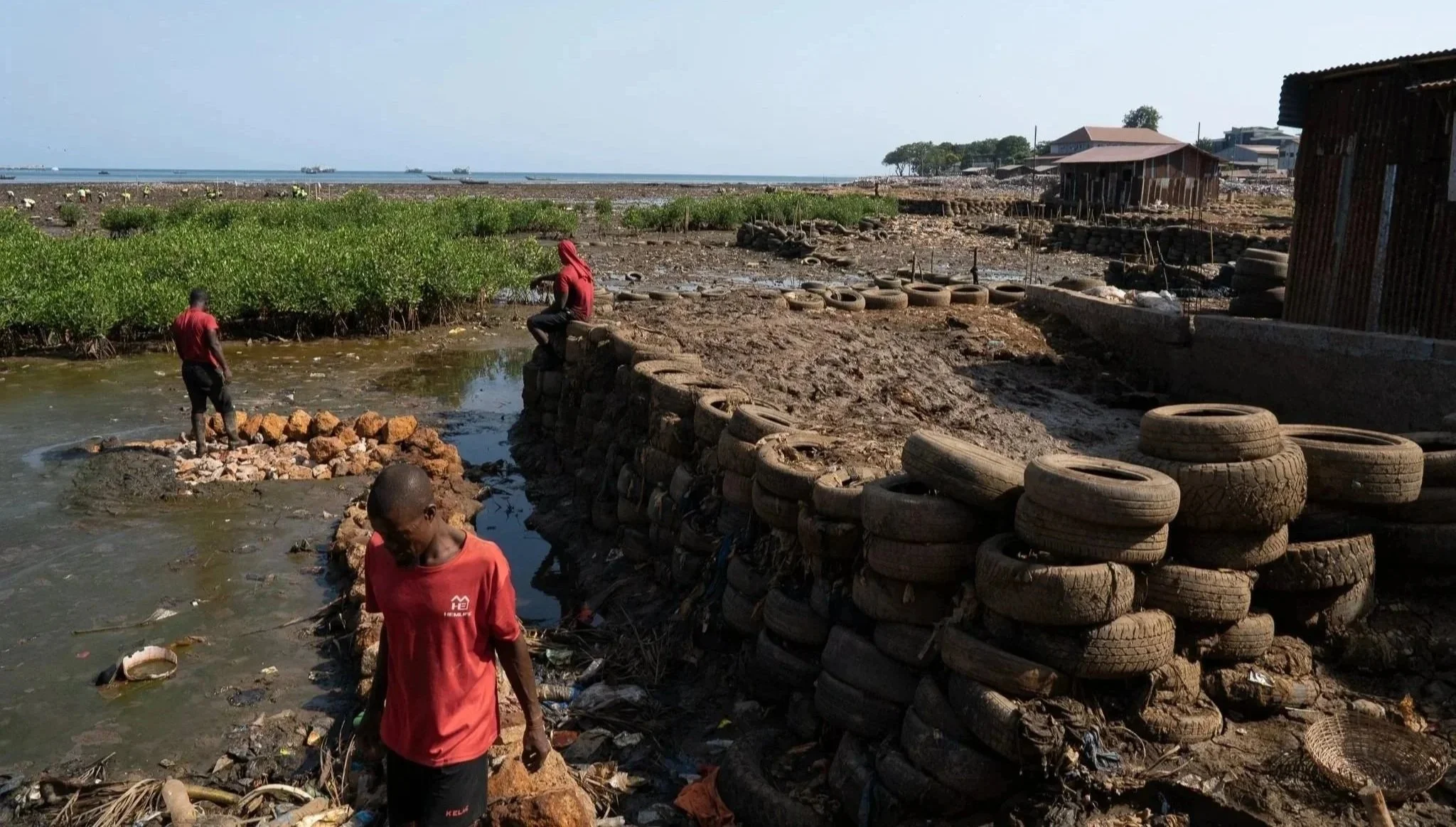
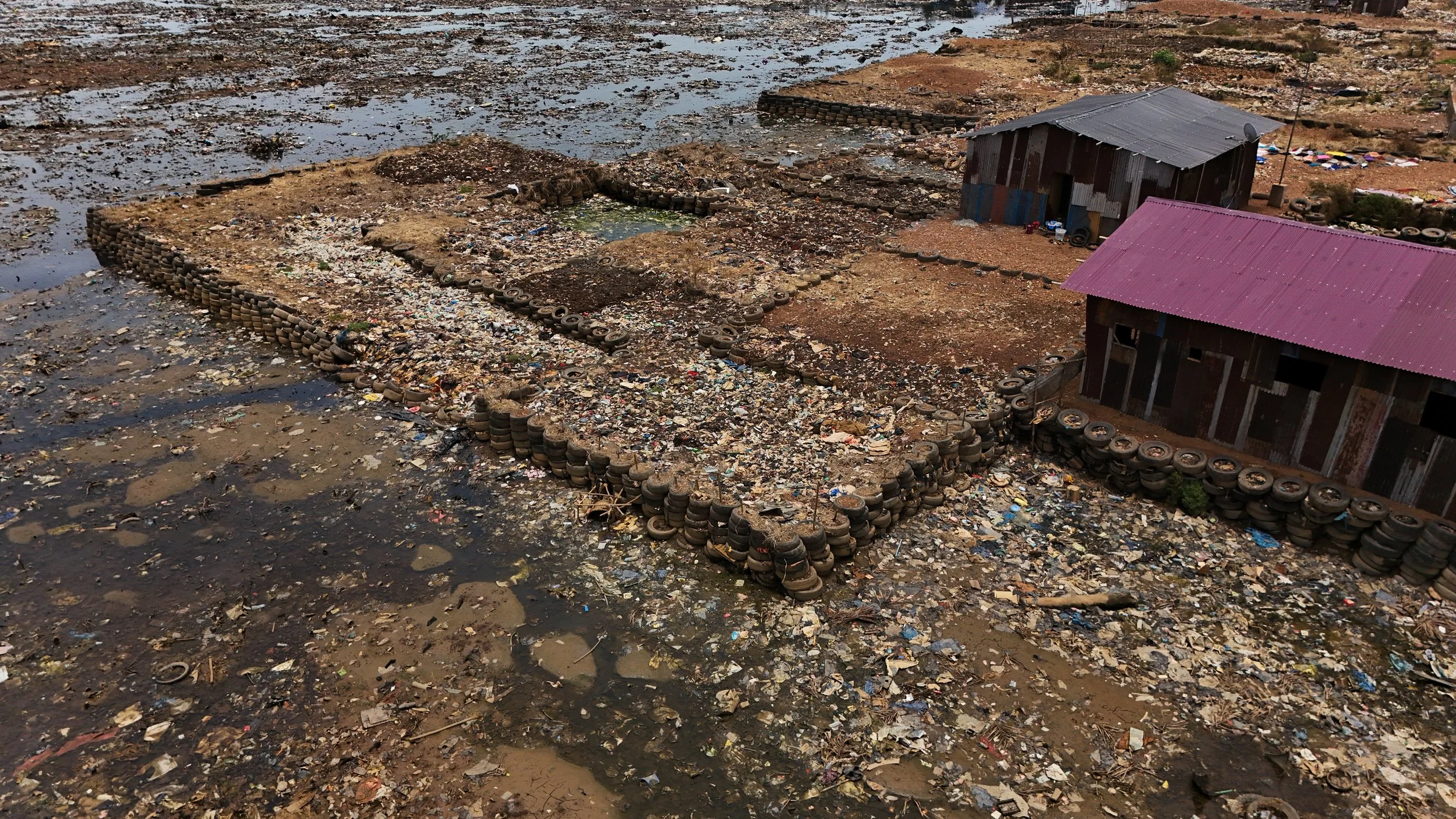
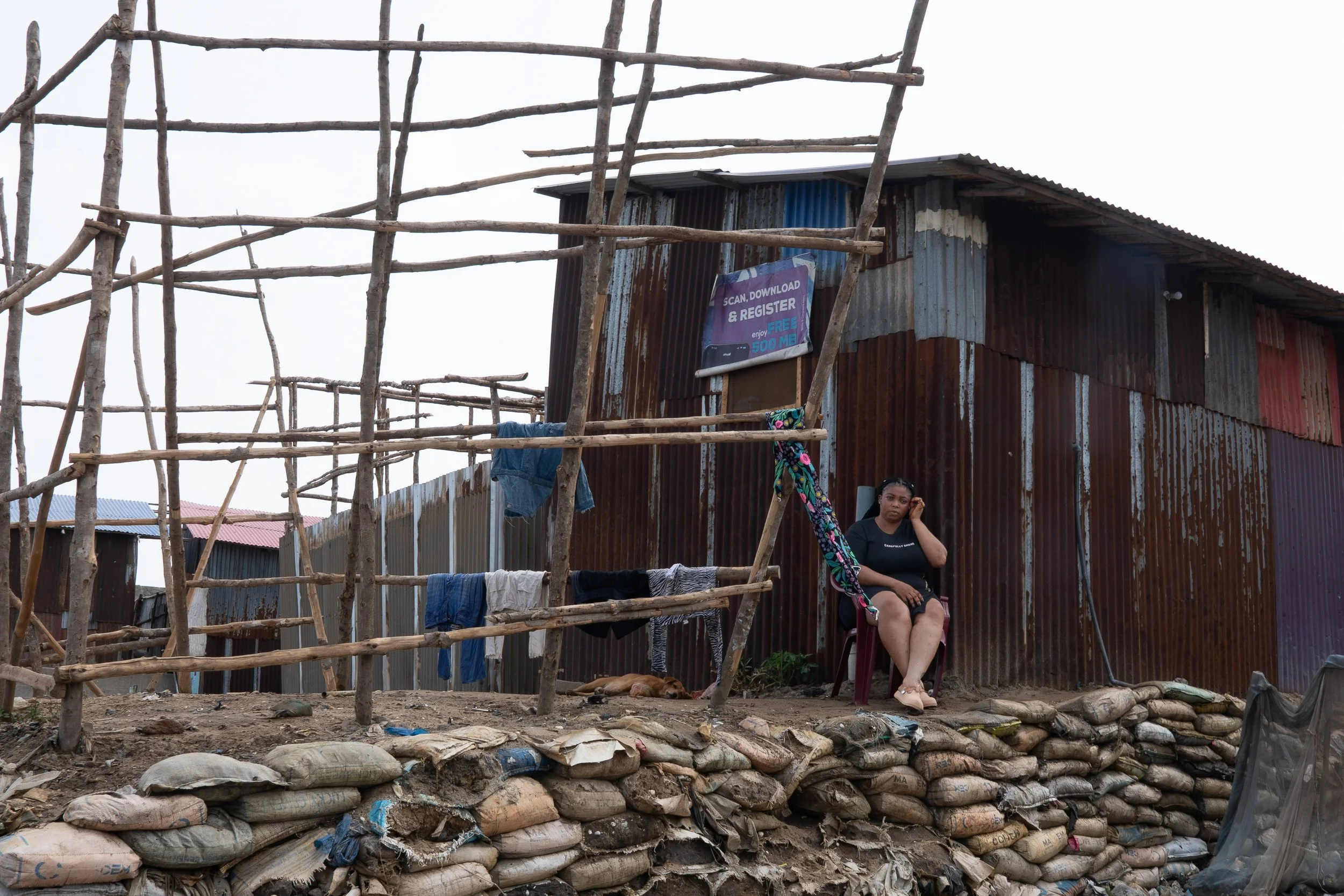
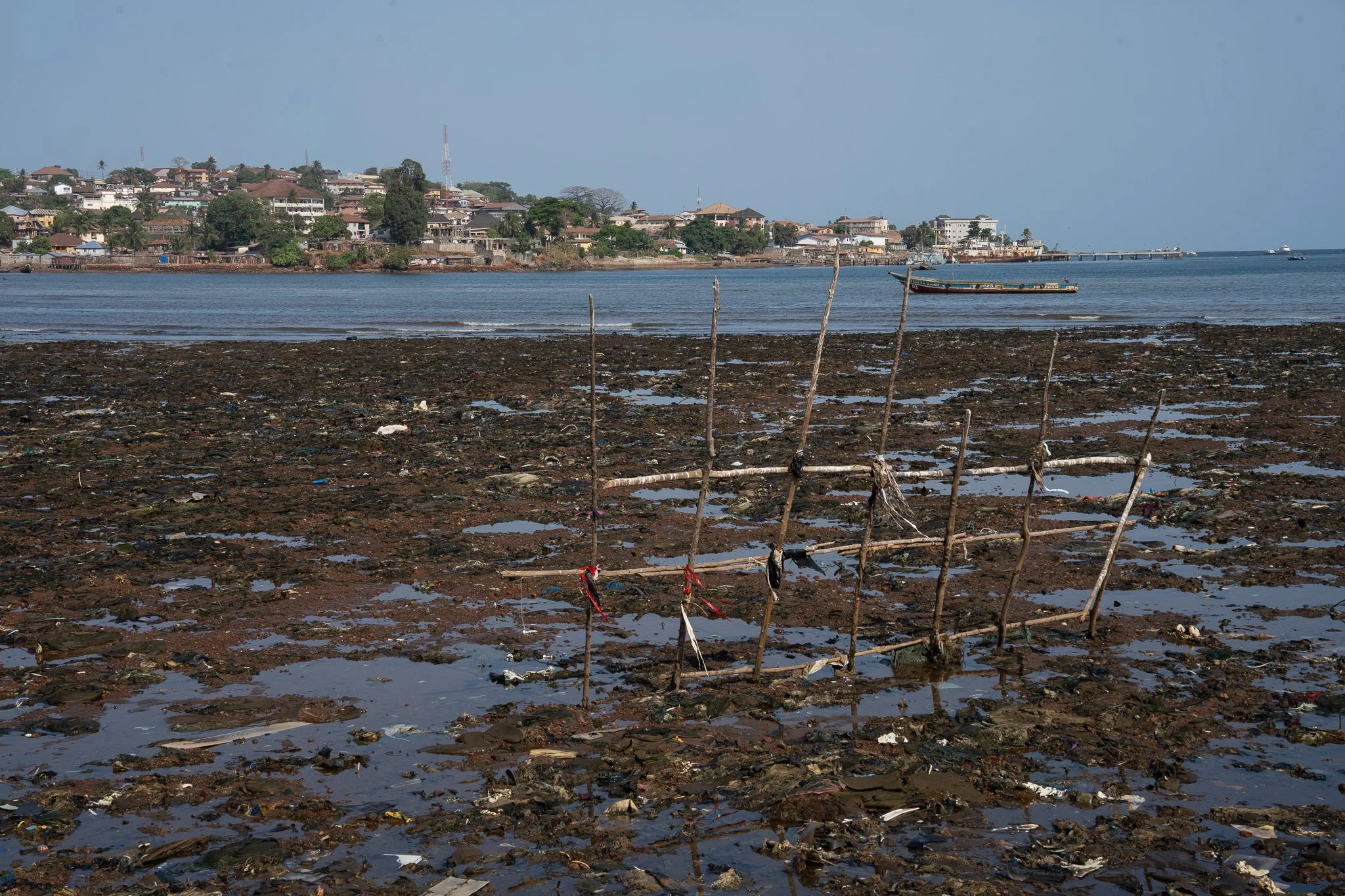
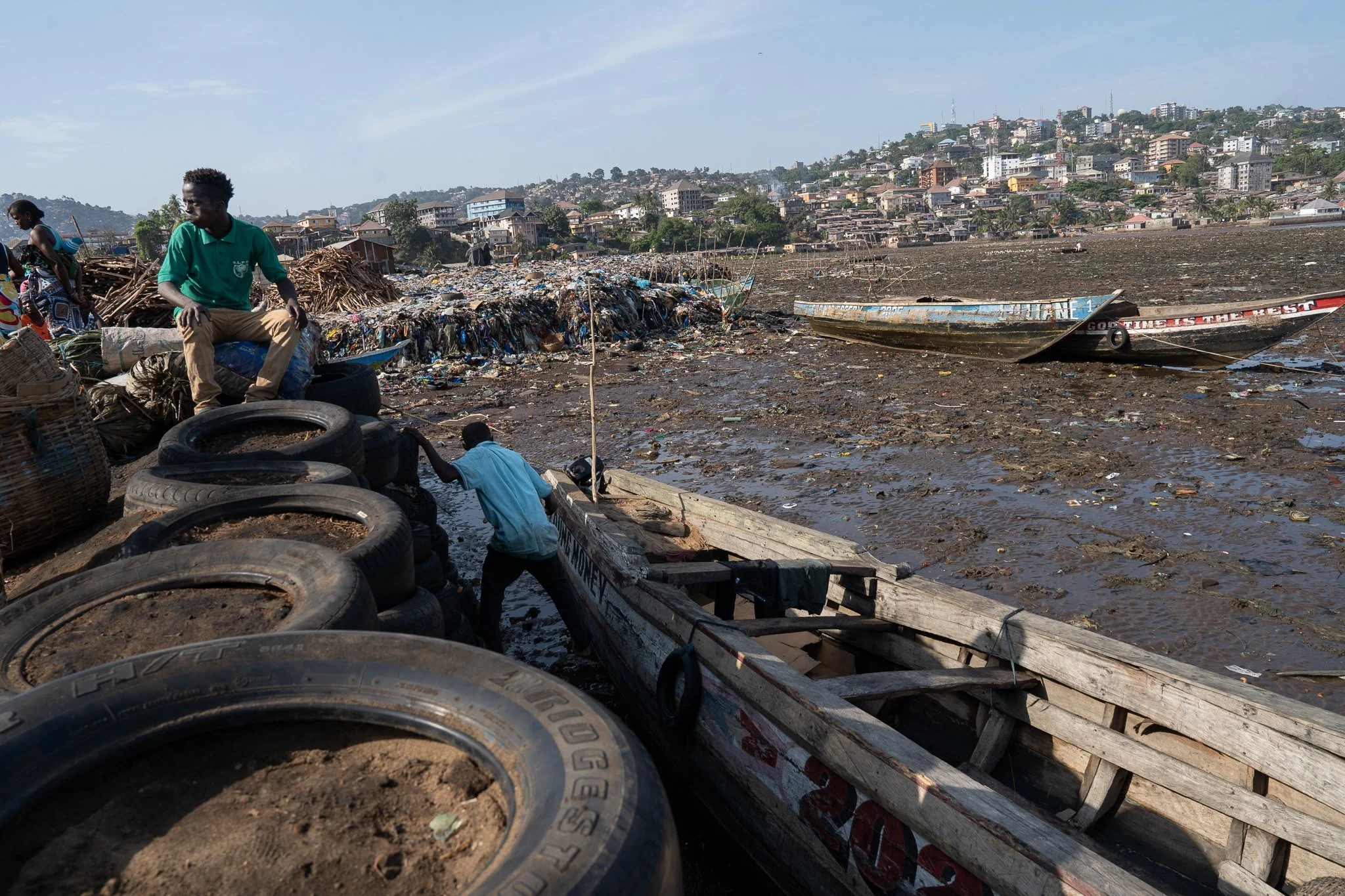
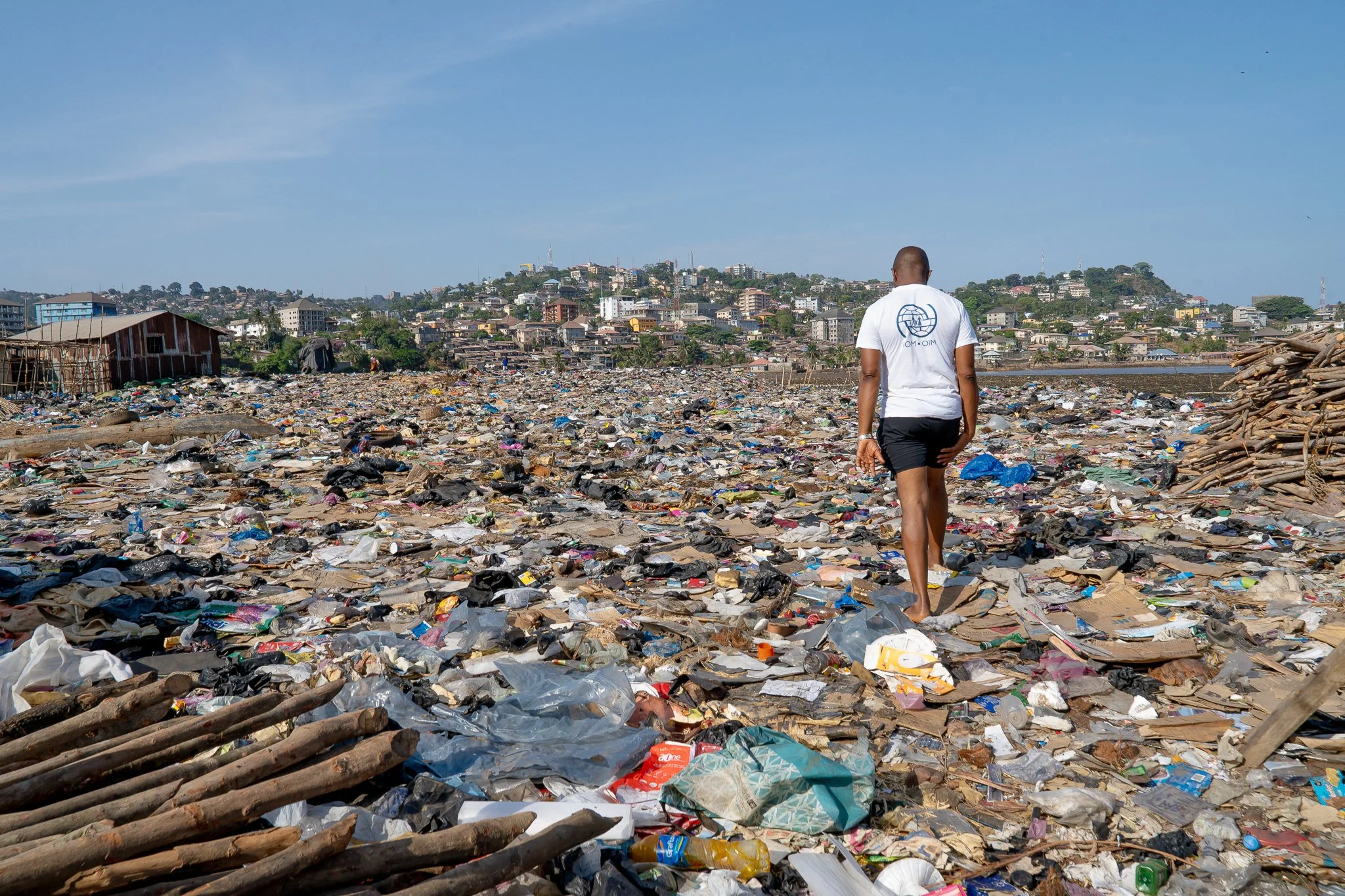
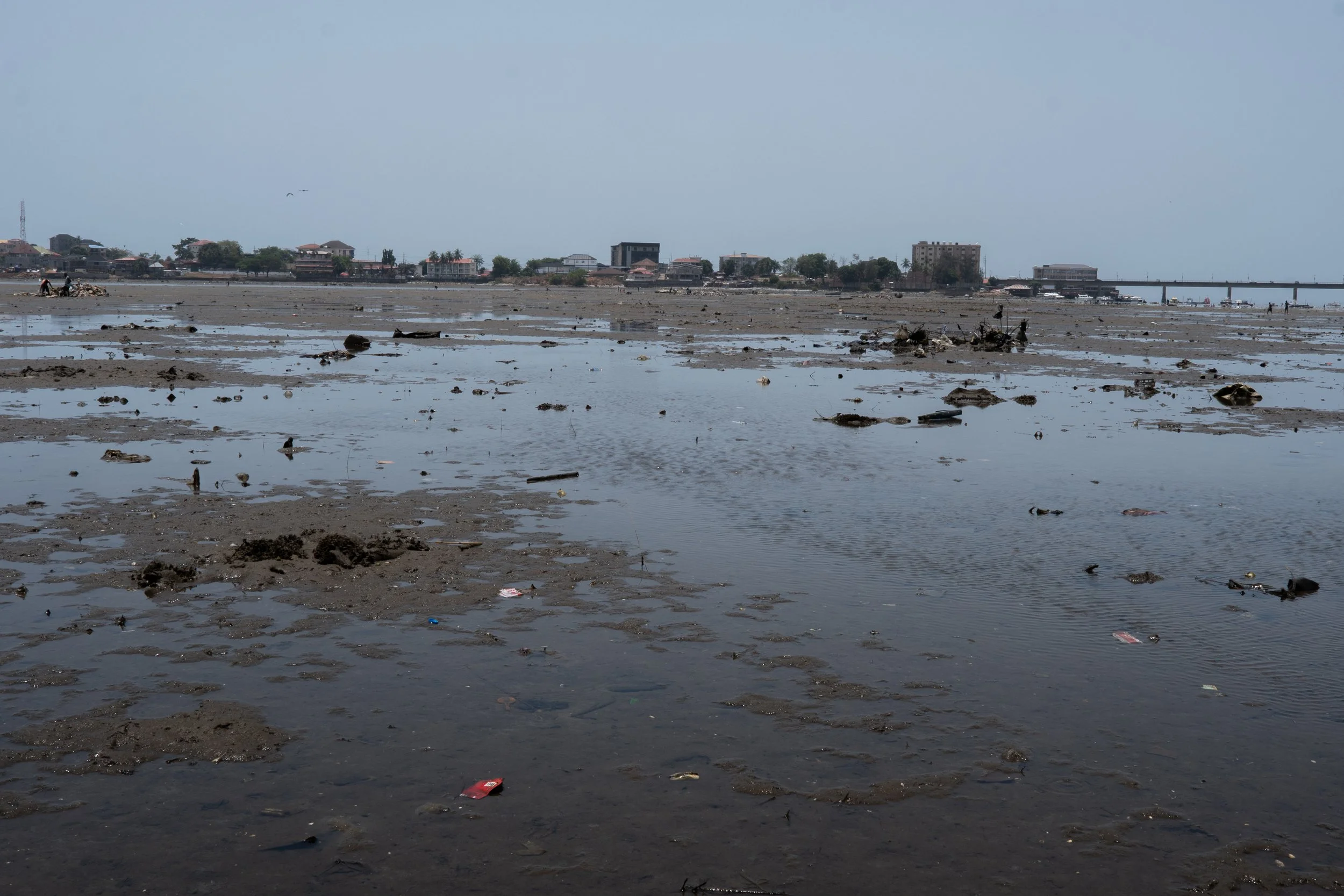
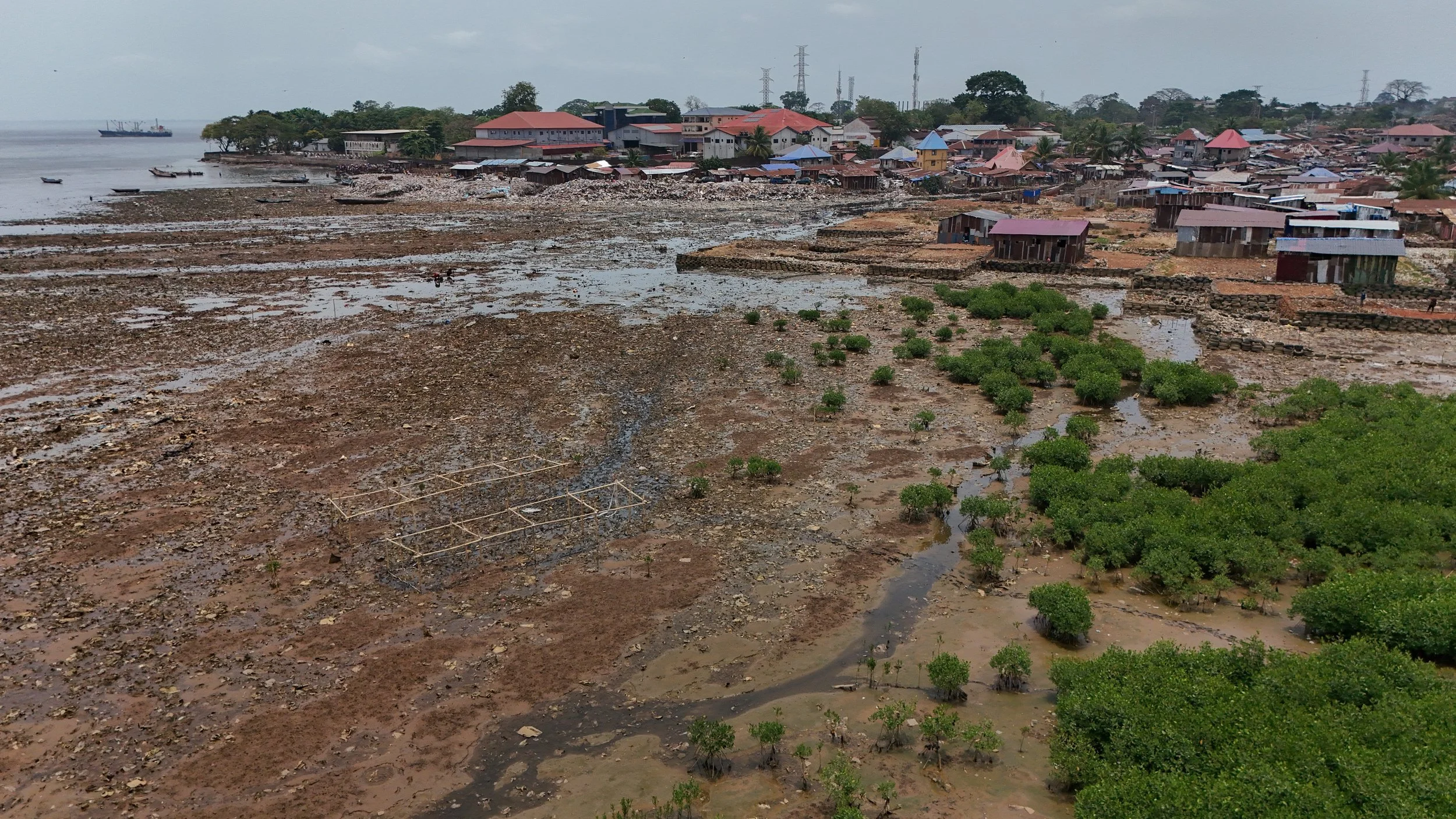
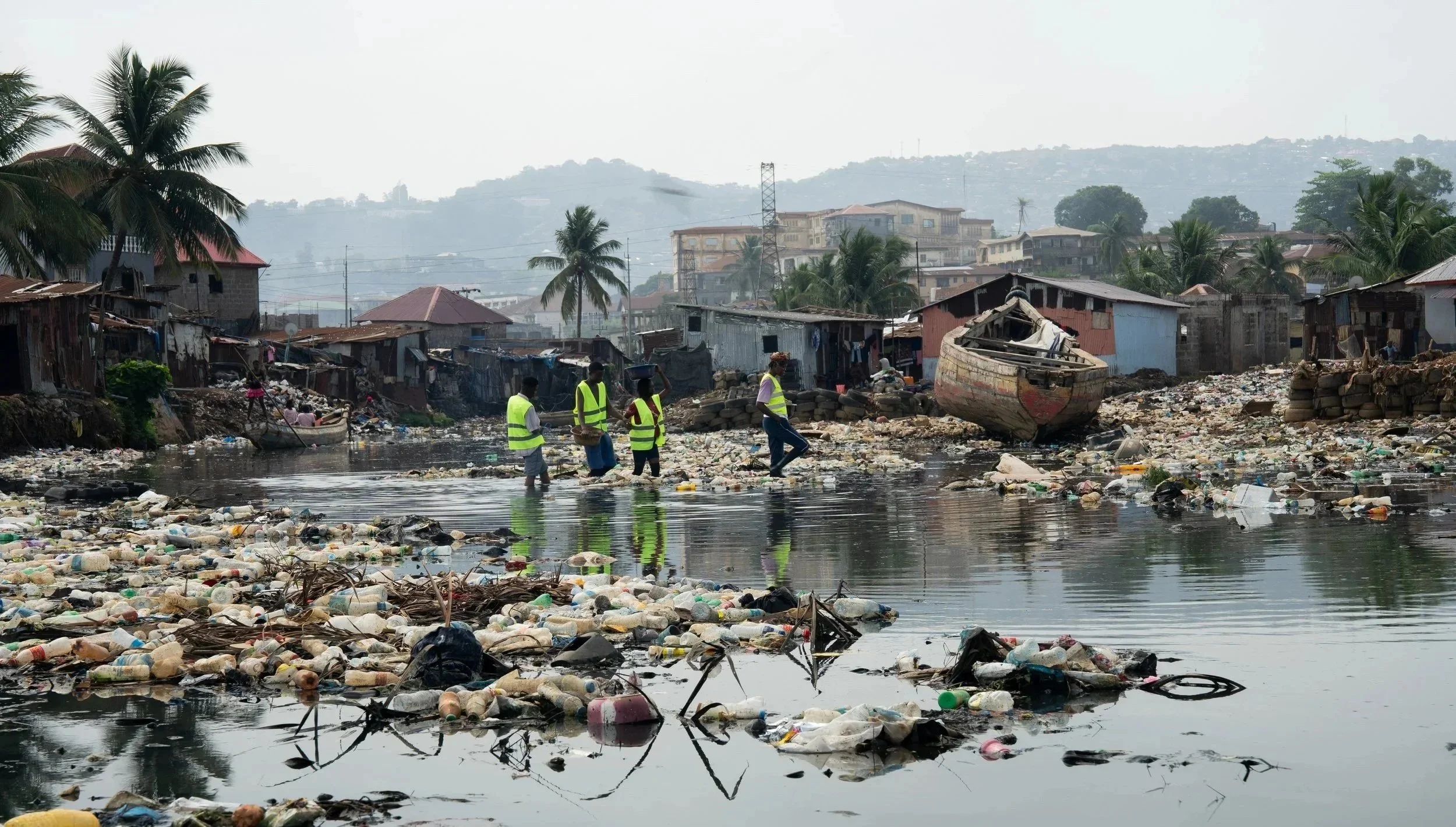
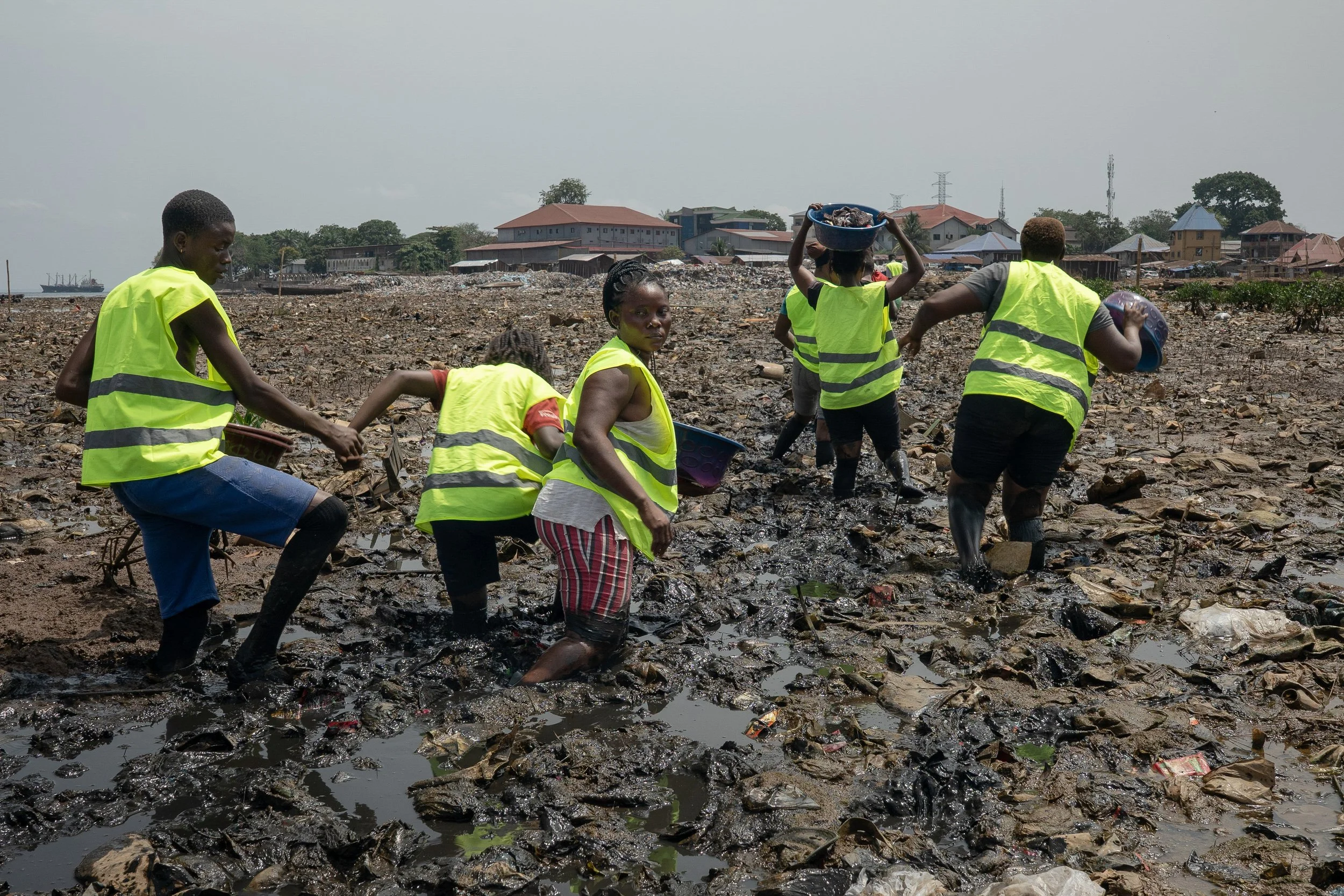
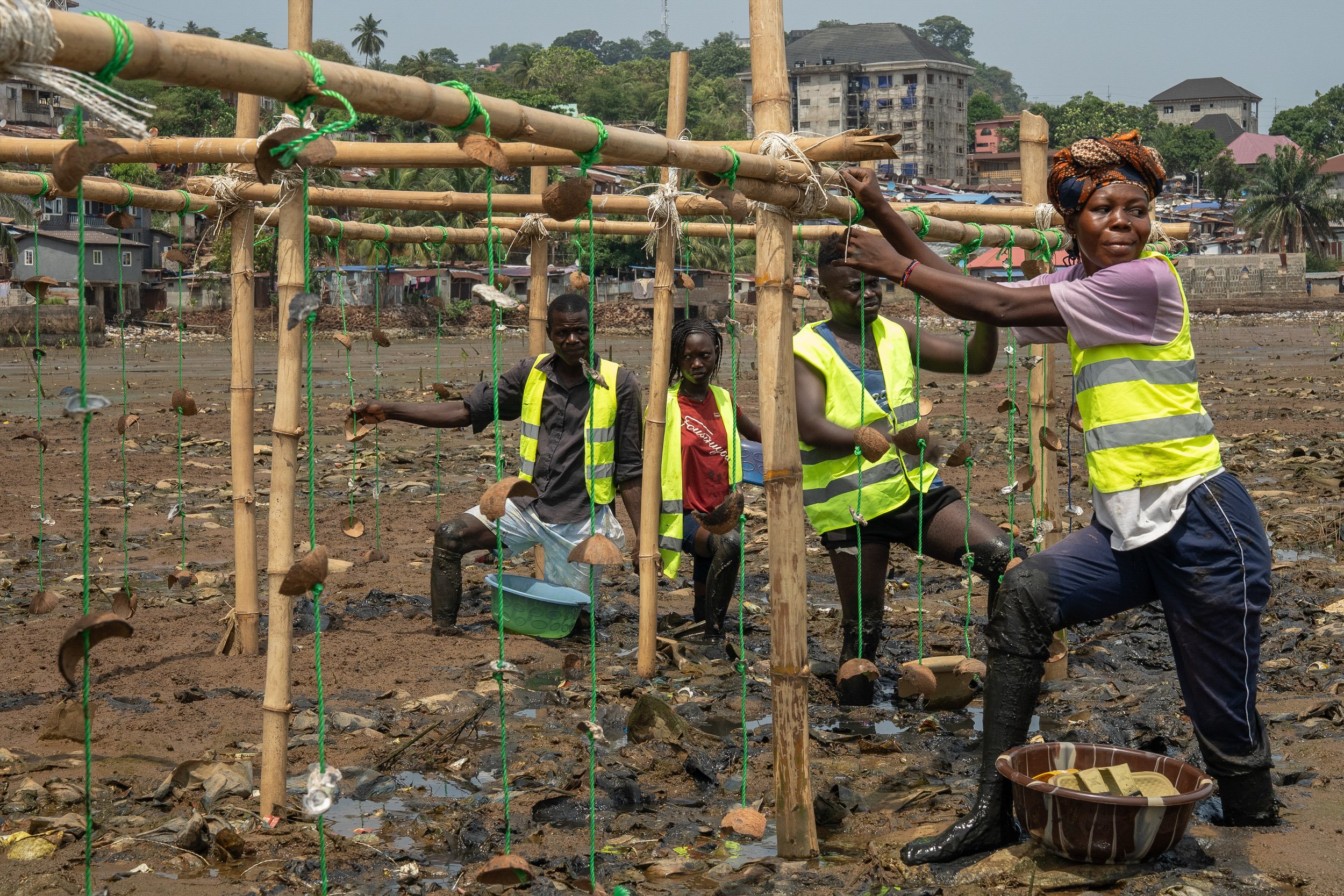
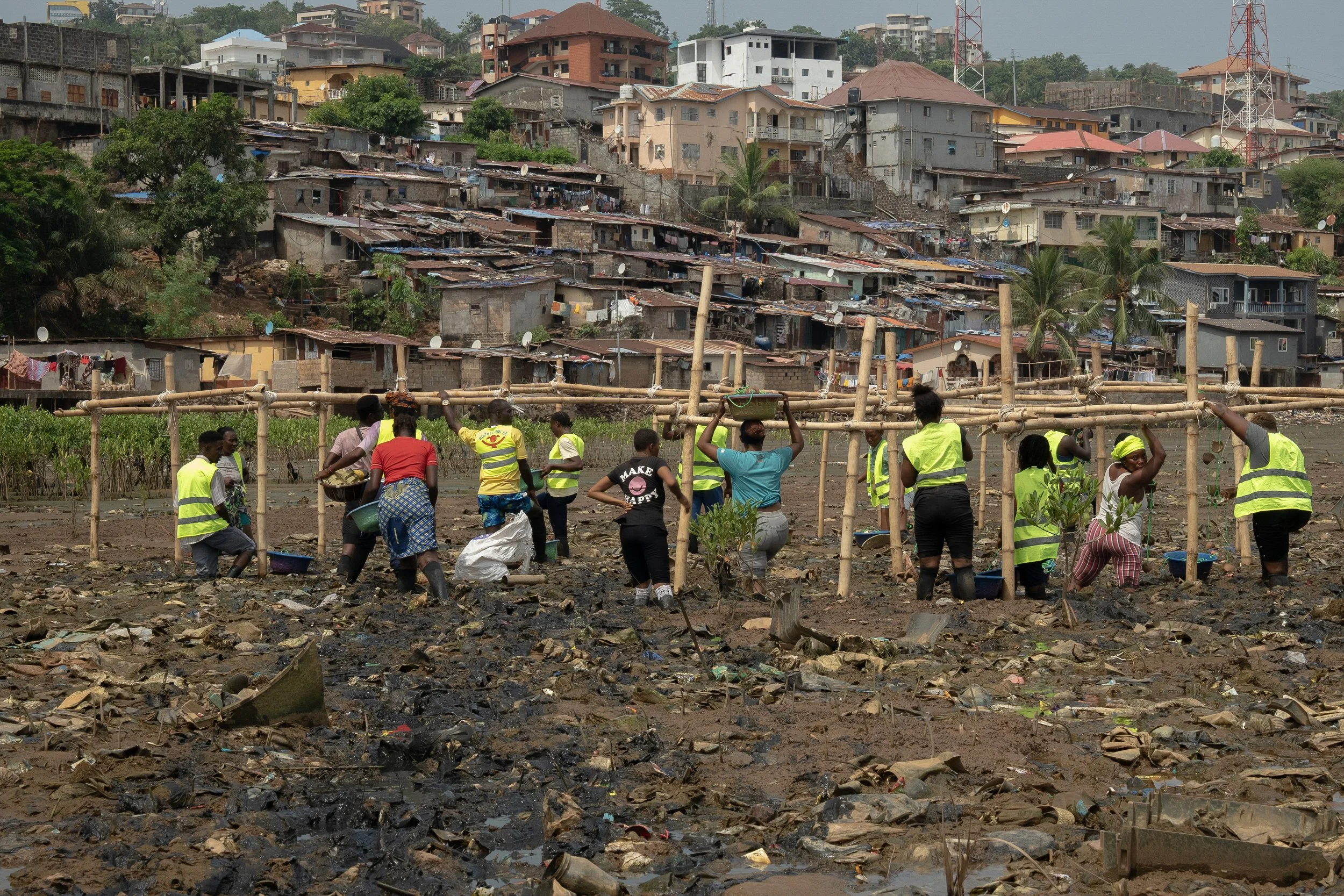
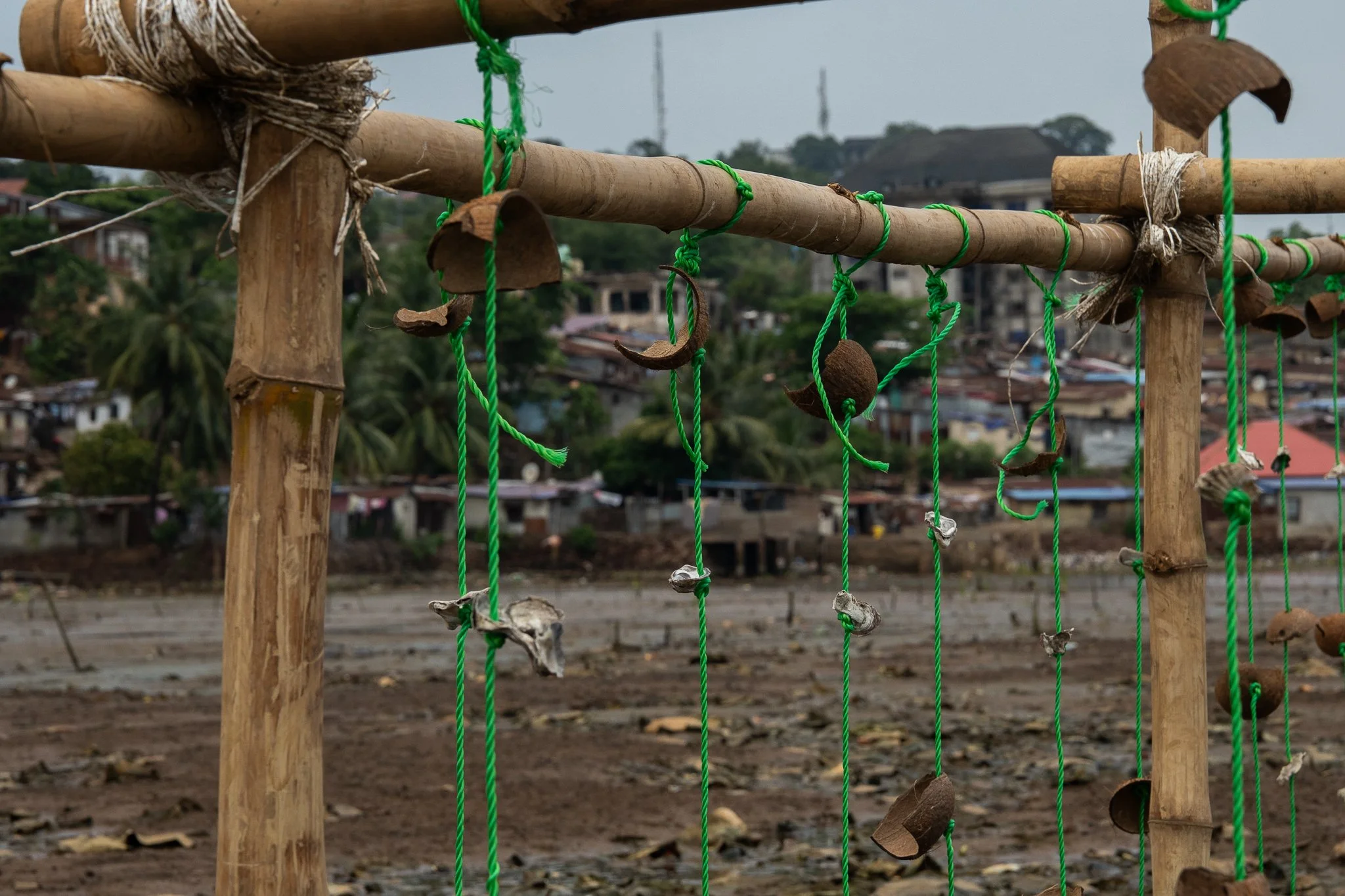
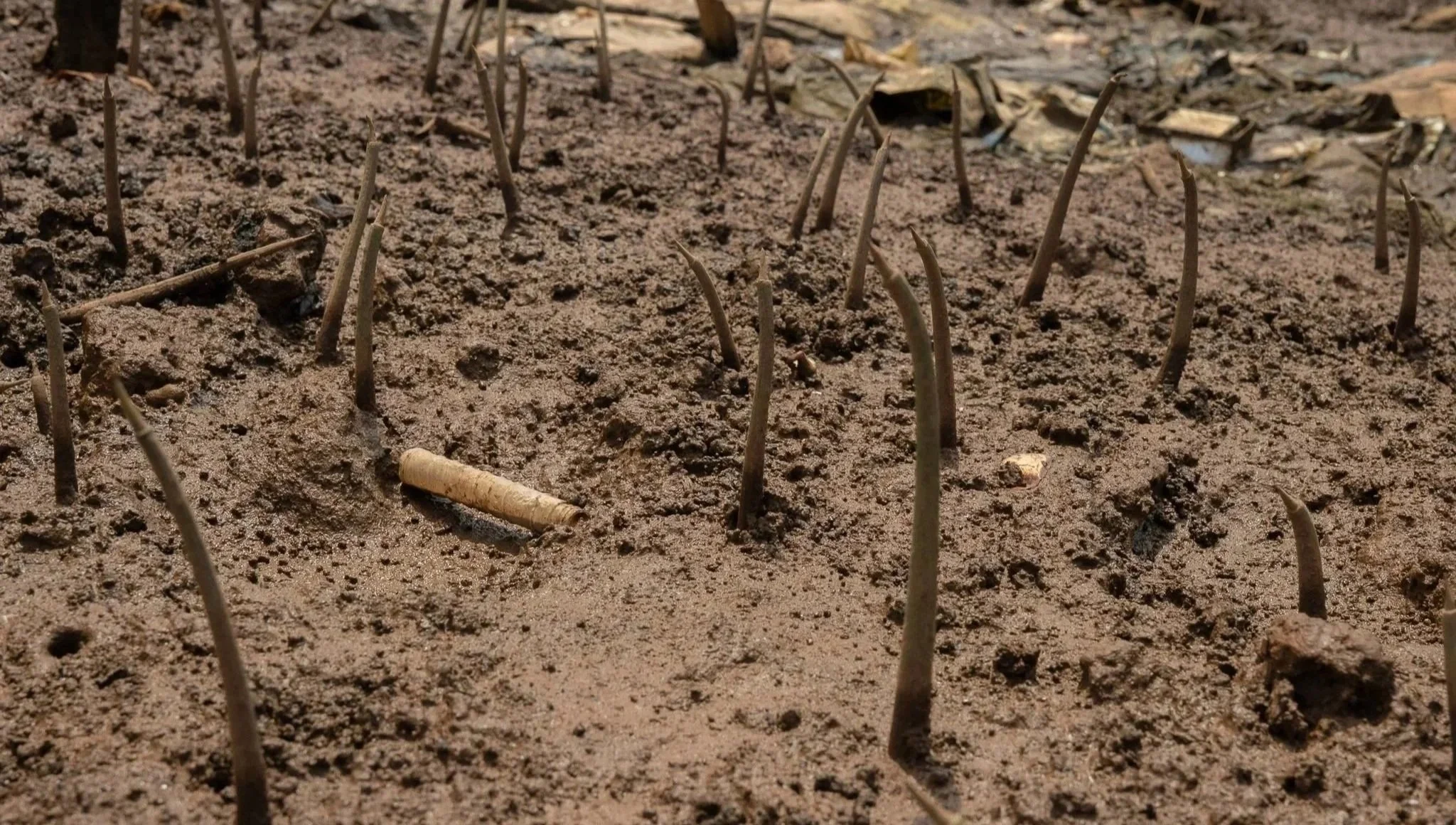
At White Man’s Bay — where mangroves were completely destroyed, in some cases by ‘banking’, an increasingly common practice of building land into the sea with sandbags, tires and trash — restoration efforts are showing quiet success and has even brought some crabs back to the area after three years. An oyster rack has recently been installed to offer alternative livelihood support for the community — particularly women, who are the primary oyster harvesters — by promoting sustainable farming methods that leave mangrove roots intact.
Even as an informal waste dump continues to spill into the swamp and overwhelming risks remain across the peninsula, these small returns offer a glimpse of what community-led restoration can achieve.
Shot for AFP